
The House Before Furniture: What Empty Rooms Reveal
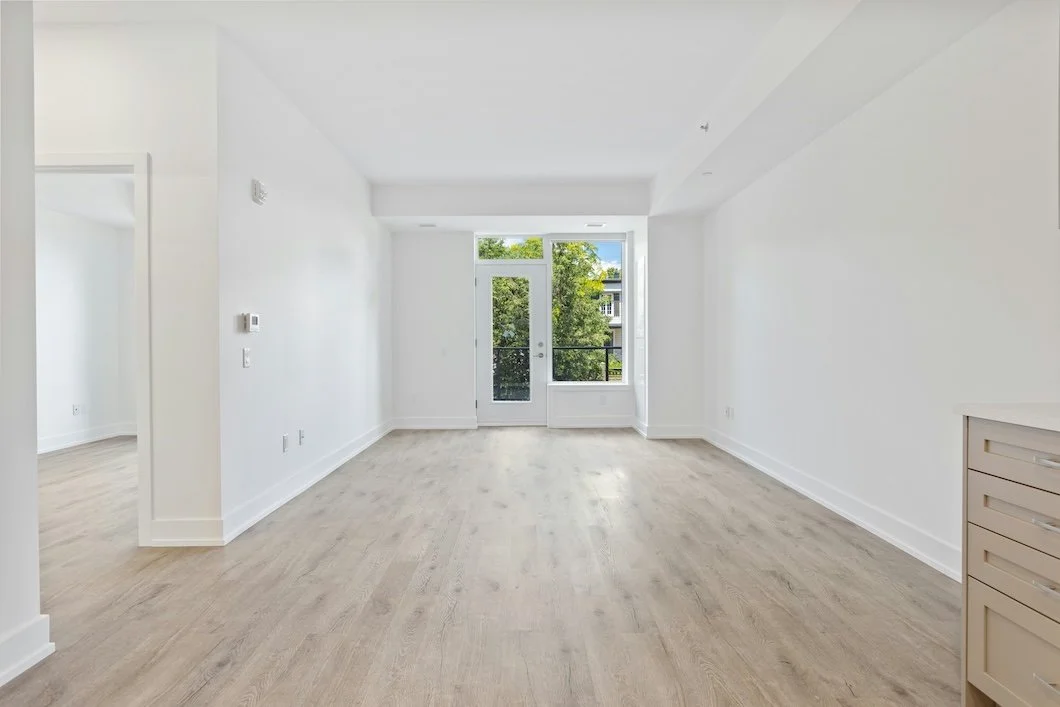
Photo by Point3D Commercial Imaging Ltd. on Unsplash
Every so often, a room starts to feel wrong in a way no one can fully explain.
Someone stands in the doorway, looks around for a little too long, and says, “Something isn’t working.”
At first, the furniture takes the blame. The sofa is too far from the wall, or too close to the wall, or maybe it belongs on the other wall entirely. The chairs seem suspicious. The rug suddenly looks smaller than it did last week. A lamp that has been perfectly acceptable for years becomes the reason the whole room feels wrong.
Then the rearranging begins.
The sofa moves. The chairs migrate. The rug gets dragged halfway across the floor, rotated, reconsidered, and dragged back again. Someone insists the room already feels better. Someone else says nothing because they are quietly trying to remember where the coffee table used to be. A person walks in later, stops, and has to relearn the geography of their own house.
Furniture has a way of making everyone aware of their habits.
But in the middle of that household disruption, something useful happens. For a brief moment, the room is exposed. The wall that was hidden behind the sofa appears again. The baseboards are visible. The window is no longer half-blocked by a chair. The light moves differently across the floor. The ceiling, ignored for years, suddenly becomes part of the conversation.
The room stops being an arrangement and becomes a room again.
That is often where the real answer begins.
When a space feels off, furniture is the easiest thing to question because furniture can be moved. Paint, trim, ceiling color, flooring, and proportion feel more permanent, so they often escape suspicion. Yet many rooms that seem difficult to furnish are not really furniture problems at all. They are light problems, color problems, edge problems, or proportion problems that furniture has been trying to disguise.
Sometimes the sofa is not the problem. It is just the object taking the blame.
What the Room Looks Like Without Distraction
A furnished room can be generous: it holds books, lamps, art, blankets, tables, plants, shoes by the door, and all the evidence of life. That is what makes a home feel lived in. But all of those layers can also make it harder to see the room itself.
Move a few things out of the way, and the quieter issues begin to show.
The wall color that felt fine behind a sectional may look tired when it has to stand on its own. A trim color may appear sharper, duller, or more yellow than expected. A ceiling may suddenly feel cold against warm walls. Patched areas, nail holes, scuffed baseboards, and uneven sheen become harder to ignore once the furniture is no longer doing the covering.
This is not about emptying a home for the sake of minimalism. It is about giving the room a chance to be understood before more things are added to it.
A room without distraction asks better questions.
Where does the eye naturally go? Which wall feels important? Is the room asking for warmth, contrast, softness, or structure? Is the light being helped or fought? Are the architectural details being supported, or are they just sitting there, disconnected from everything else?
Those questions are often more useful than “Should we buy another chair?”
Light Changes the Whole Argument
Light has a way of settling arguments that paint chips start.
A color may look perfect on a sample card and completely different once it is living on four walls. Morning light can make a neutral feel soft and warm, while afternoon light may reveal an undertone no one invited. A north-facing room can cool a color down. A bright southern exposure can make it stronger. Trees outside the window, brick nearby, water, grass, and even neighboring houses can all influence how color reads inside.
When a room is crowded with furniture, some of this gets muted. Textiles absorb light. Large pieces cast shadows. Dark furniture changes the way a wall color feels. Once the room is opened up, the light becomes easier to read.
You may notice that one wall is always in shadow, while another takes the full force of the afternoon sun. You may realize that a white that looked crisp in theory feels icy in practice. You may see that the room does not need a brighter lamp so much as a warmer wall color, or a finish that handles light more gently.
This is where paint decisions become less about favorite colors and more about the actual conditions of the room.
The best color is not the one that looked beautiful somewhere else. It is the one that can live well with the light in front of it.
The Edges Tell You More Than You Think
Once the furniture shifts, the edges of the room come forward.
Baseboards, window casings, crown molding, doors, built-ins, stair rails, and ceiling lines are not background details. They organize how the eye moves. They decide whether a room feels crisp, calm, chopped up, heavy, formal, tired, or complete.
In older homes especially, trim carries a tremendous amount of character. When it is painted well, it gives the room structure. When it is scuffed, overly stark, yellowed, or poorly related to the wall color, the entire room can feel slightly unsettled.
A bright white trim against a warm wall may feel too harsh. A dull trim color can make even good furniture feel less polished. A ceiling painted without much thought can flatten the room or make the wall color feel wrong. These details may not announce themselves loudly, but they influence the mood of the room all day long.
This is why painting is not only about the largest wall surface. It is about relationships.
Wall to trim. Trim to ceiling. Ceiling to light. Door to hallway. Built-in to room. Each transition either helps the room feel coherent or adds one more small interruption.
A better paint plan can soften those interruptions.
Proportion Comes Before Styling
Some rooms resist easy answers because their proportions are difficult.
A long living room can start to feel like a passageway. A small room can feel crowded before the furniture even arrives. A large room painted too pale may feel empty, while a compact room with too much contrast can feel broken into pieces. Low ceilings, off-center windows, wide openings, awkward corners, and additions from different eras can all make a room harder to settle.
Furniture can help, but it cannot solve everything by itself.
Paint can give proportion a little mercy.
A deeper color can make a large room feel more intimate. A tonal trim choice can reduce visual chopping in a smaller space. A ceiling color can make a room feel more finished instead of abruptly capped. Built-ins, doors, and millwork can be painted to create structure where the architecture needs help. Even a subtle shift in sheen can change how expansive or grounded a room feels.
This is where a room begins to make sense again. Not because it has been transformed into something unrecognizable, but because its own proportions have been acknowledged.
The goal is not to fight the house. It is to stop asking furniture to do all the negotiating.
When the Room and the Furniture Disagree
A room can be full of good decisions and still feel wrong.
The sofa may be beautiful. The rug may be expensive. The art may be personal. The lamps may be exactly the right height. But if the wall color is too cool for the floor, or the trim is too sharp for the architecture, or the ceiling feels forgotten, the room will keep resisting.
Everything in a room is in conversation, whether we planned it that way or not.
Wood floors bring warmth or red undertones. Stone has its own temperature. Upholstery carries color. Curtains filter light. Art changes a wall. Paint receives all of it and reflects it back. When those elements are not working together, the room can feel unsettled even if every individual piece is “right.”
That is why repainting can sometimes do more than replacing furniture.
A warmer neutral may make the existing sofa suddenly make sense. A softer white on trim may calm the contrast. A richer wall color may help artwork feel intentional. A carefully painted built-in may give the room the anchor it has been missing. The change can be subtle and still make the room feel completely different.
Not every room needs drama. Some rooms need alignment.
Paint as the Room’s Foundation
Paint is often treated as the final step, but in lived-in homes, it often becomes the reset.
It can clean up years of use, soften strange transitions, reconnect old trim with newer furnishings, and help a room feel considered again. It can make a formal room easier to live in, a casual room more polished, an awkward room more coherent, or a tired room more awake.
That reset depends on more than choosing a pleasant color. The preparation matters. Old nail holes, patched plaster, scuffed trim, stained areas, failing caulk, and uneven surfaces all affect the final result. So does finish. A matte wall, a satin trim, a softer ceiling, or a deeper accent can each change how the room behaves.
This is where professional painting becomes part of the design conversation. It is not simply applying color. It is reading the room, preparing the surfaces, and making choices that help the architecture, light, and furnishings work together.
A good paint project does not erase the life of the home. It gives that life a better setting.
Seeing the House Again
There is a strange little pause that happens after furniture has been moved and before everything goes back.
The room looks unfamiliar. Maybe better. Maybe worse. Usually both. For a moment, the habits are gone. The chair is not claiming its corner. The sofa is not defining the wall. The rug is not telling the room where the center should be.
All that remains is the house itself.
Walls. Windows. Trim. Floor. Ceiling. Light. Proportion.
That pause is useful.
It lets you see what has been hidden, what has been ignored, and what has been quietly making the room feel wrong. It may reveal that the furniture arrangement really did need to change. It may also reveal that the room has been asking for something more foundational: a warmer color, a softer trim, a better ceiling decision, a cleaner finish, or simply the care of a properly prepared and repainted surface.
Rooms are meant to be lived in, so of course the furniture comes back. The books return. The lamps get plugged in. The coffee table finds its place. Someone still trips once because the chair has moved six inches and the body remembers the old route.
But when the room itself has been considered, the furniture no longer has to carry the whole burden. Instead, It can belong.
That is the value of looking at the house before furniture. Not to strip away comfort or personality, but to understand the space that has been holding everything all along.
Before replacing furniture or rearranging a room for the tenth time, consider what the space itself may be asking for. Stanwich Painting can help you evaluate wall color, trim, ceiling, finish, light, and surface preparation so the room feels clearer, calmer, and more complete.
Stanwich Painting proudly provides top-quality residential painting services throughout Fairfield County, including: Greenwich, Cos Cob, Riverside, Old Greenwich, Stamford, Darien, New Canaan, and Wilton