
Summer 2026 Home Design Trends: Texture, Color, and the Return of Character
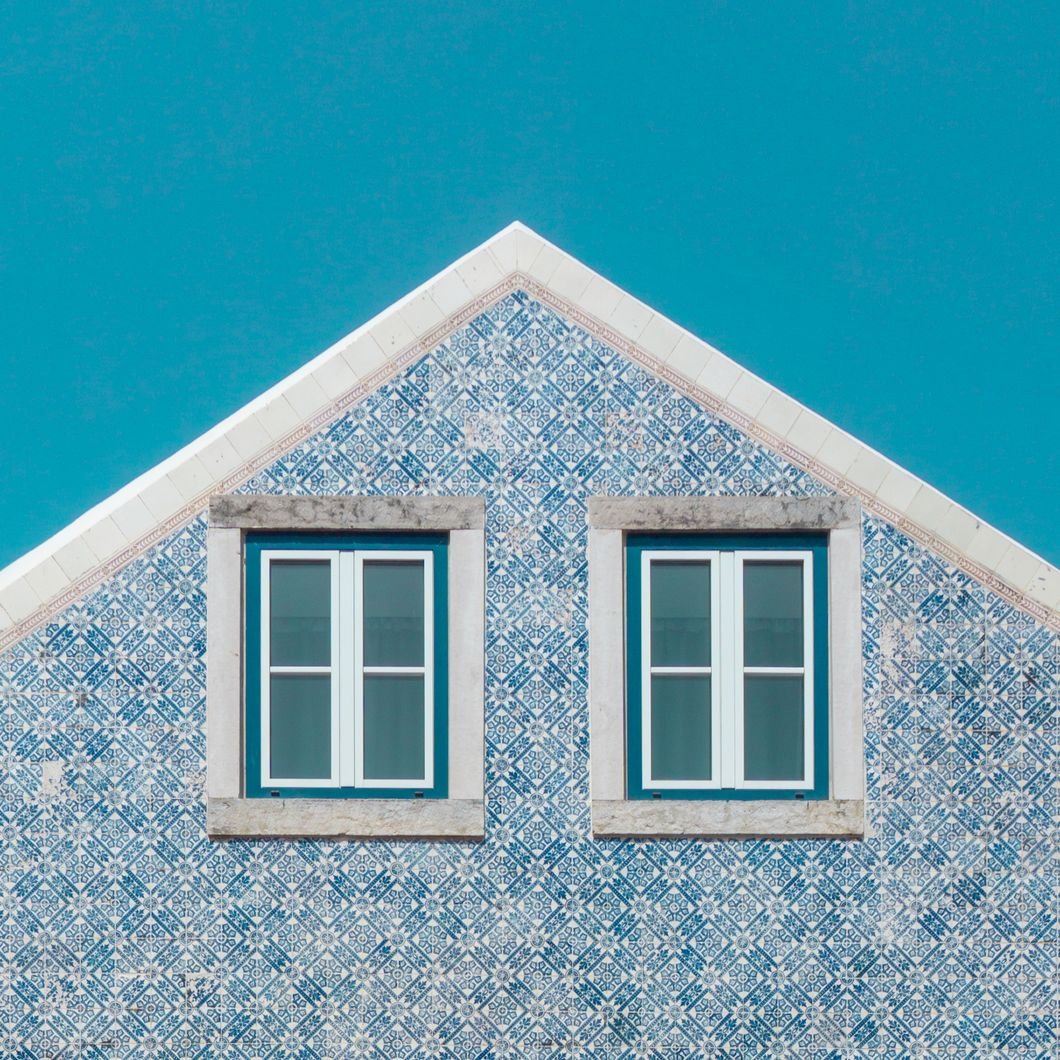
Photo by Vlado Paunovic
For homeowners thinking about repainting this summer, the 2026 design conversation is moving in a clear direction: warmer color, richer surfaces, and rooms with more character.
The flat white wall is not disappearing. A clean, quiet backdrop will always have its place, especially in homes with strong architecture, abundant art, or beautiful natural light. But more homeowners are beginning to look beyond basic repainting and ask what a room could feel like with more depth.
That might mean a warmer neutral instead of a cold gray. It might mean a mineral paint finish with soft movement. It might mean limewash-inspired walls, deeper trim, painted built-ins, or a dining room that finally feels like a finished room rather than an afterthought.
Summer 2026 design trends are less about one must-have color and more about atmosphere.
For Fairfield County homes—from Greenwich and Cos Cob to Darien, New Canaan, Stamford, Riverside, Old Greenwich, and Wilton—that shift makes sense. Many homes already have the architecture to support more layered choices: millwork, stair halls, formal rooms, built-ins, older plaster walls, coastal light, mature trees, and spaces that deserve more than a default coat of white.
The right paint or wall treatment can make those details feel intentional again.
The End of the Flat, Anonymous Room
For years, many interiors were designed to be safe. White walls, pale gray rooms, simple trim contrast, and minimal color gave homes a clean, open look. That approach worked well for a certain moment. It photographed nicely. It felt neutral. It made rooms look brighter and helped buyers imagine their own furniture in the space.
But when every room is treated as a backdrop, the home can start to lose personality.
The newer design mood is not about rejecting simplicity. It is about adding back the things that make a room feel human: texture, warmth, depth, contrast, and architectural detail. Instead of asking how to make every room disappear, homeowners are asking how to make certain spaces feel more memorable.
That is why tactile walls, mineral finishes, limewash, plaster-like effects, and matte, light-reactive surfaces are attracting more attention. They offer subtle movement without overwhelming the room. They make walls feel less flat and more connected to the architecture around them.
This is especially useful in rooms that feel unfinished even after they have been painted. Sometimes the issue is not that the color is wrong. Sometimes the surface itself needs more softness, depth, or variation.
A few places where this trend naturally works:
Dining rooms that need warmth and evening atmosphere
Powder rooms that can handle more drama
Primary bedrooms that need softness rather than sharp contrast
Entryways where first impressions matter
Sitting rooms, studies, and libraries with built-ins or paneling
Older homes where perfectly flat paint can feel too new or too stark
Texture does not have to mean heavy. In many of the most elegant homes, the effect is quiet. The wall catches light differently. The surface has movement. The room feels less manufactured.
Warmer Color Is Replacing Cold Neutrality
One of the clearest shifts in 2026 design is the move away from cool gray and sterile white toward warmer, more grounded color.
This does not mean every home is suddenly becoming dark or earthy. It means homeowners are becoming more sensitive to undertone, mood, and natural materials. A warm white may now feel better than a blue-white. A muted clay may feel more inviting than beige. A softened olive, mushroom, sand, ochre, terracotta, or blue-green may bring a room into better conversation with wood floors, stone fireplaces, brass fixtures, woven textures, or garden views.
The color trend is not simply “brown is back” or “green is in.” It is more nuanced than that. The real movement is toward colors that feel connected to something: landscape, architecture, natural materials, older homes, handmade surfaces, and rooms that change throughout the day.
In Fairfield County, that matters because light varies so much from house to house. A color that feels soft and refined in a sunny Riverside home may feel heavy in a shaded New Canaan room surrounded by trees. A warm white that looks beautiful in Old Greenwich coastal light may read too creamy in a north-facing hallway. A deep green that feels tailored in a study may overpower a family room that needs to stay relaxed and open.
That is where professional paint guidance becomes important. The trend may point toward warmth, but the house still decides which version of warmth actually works.
Strong 2026 color directions include:
Warm whites with cream, linen, or stone undertones
Earthy neutrals such as mushroom, taupe, clay, and sand
Soft greens, including olive, sage, and muted moss
Deep blue-greens for studies, cabinetry, and built-ins
Terracotta and ochre used carefully in rooms that can hold warmth
Burgundy, wine, and maroon tones for powder rooms, dining rooms, or accent spaces
Muted sky blues and softened coastal blues for lighter, airier rooms
The best use of these colors is not trend-chasing: it is translation. A room does not need to announce that it belongs to 2026. It should simply feel more current, more settled, and more itself.
Mineral Paint, Limewash, and the Appeal of Movement
Wall treatments are becoming a larger part of the repainting conversation because homeowners are looking for something more refined than a standard flat wall.
Mineral paint and limewash-inspired finishes speak to that desire. They create softness and movement. They interact with light. They can make a newer wall feel less sharp and an older room feel more appropriate to its bones. In the right setting, these finishes add atmosphere without relying on bold color alone.
This is part of the broader return to tactile interiors. People want homes that feel lived in, layered, and personal. They are responding to surfaces that look touched by hand rather than sprayed into perfection. Even when the final effect is subtle, the room feels different.
A limewash-inspired wall in a bedroom can feel calm and enveloping. A mineral finish in a dining room can give candlelight more depth. A plaster-like surface in an entryway can make the transition into the home feel more considered. These treatments are not for every room, and they require thoughtful planning, but they can be beautiful when paired with the right architecture, lighting, and color palette.
They also work well when homeowners want quiet luxury rather than obvious decoration. The room does not shout—it settles.
Millwork and Trim Are Becoming Design Features Again
Another important design shift is the return of architectural detail.
For a long time, trim was often treated as automatic: paint it white and move on. But as interiors become warmer and more layered, homeowners are reconsidering doors, casings, baseboards, crown molding, paneling, wainscoting, stair rails, mantels, and built-ins as part of the color story.
Sometimes the right choice is still crisp white trim. But not always.
A room with beautiful paneling may benefit from a deeper, more saturated finish. A library or study can feel more tailored when built-ins are painted in a rich green, blue, or charcoal. A dining room may feel more elegant when the trim is only slightly darker than the wall color. A hallway may feel softer when the trim moves away from cold white and into something warmer and quieter.
Paint can make architectural details visible again. It can also calm them down when there is too much contrast. The point is not to decorate every surface. The point is to make the room feel resolved.
How to Use Trends Without Making the House Feel Trendy
The strongest homes do not look like they followed a trend report. They look like someone listened carefully to the house.
That is the best way to approach summer 2026 design ideas. Texture, warmth, mineral paint, limewash, deeper trim, painted cabinetry, and richer color can all be beautiful. But they need to be adapted to the specific room, the specific light, and the way the family actually lives in the home.
A formal dining room may be ready for depth. A family room may only need a warmer neutral. A powder room may be the right place for drama. A bedroom may need softness. A kitchen may benefit from painted millwork or cabinetry rather than a full color shift. An entryway may need a finish that feels more architectural than decorative.
The opportunity this summer is not simply to repaint. It is to reconsider the surfaces that shape the feeling of the home.
Flat walls are giving way to movement. Cold neutrals are giving way to warmth. Generic rooms are giving way to spaces with texture, craft, and character.
For Fairfield County homeowners planning a summer repaint, that opens the door to better questions.
Not just, “What color is popular?”
But:
What does this room need?
Where should the architecture be emphasized?
Would a mineral paint or limewash-inspired finish bring more depth?
Should the trim stay white, soften, or become part of the design?
Where can the home feel more personal without feeling overdone?
Those are the questions that lead to better rooms. Not rooms that look copied. Not rooms that feel staged. Rooms that feel warmer, richer, more considered, and more connected to the home itself.
That is the real design trend of summer 2026.
Ready For Your Summer 2026 Redesign?
Stanwich Painting proudly provides top-quality residential painting services throughout Fairfield County, including: Greenwich, Cos Cob, Riverside, Old Greenwich, Stamford, Darien, New Canaan, and Wilton
Further ReadingFor more on the design trends shaping this summer’s interiors, these pieces offer helpful context:Real Simple — “Minimalist Interiors Are Officially Out…”
A useful source on the rise of Venetian plaster, limewash interior paint, terracotta, and softer old-world finishes. (Real Simple)Forbes — “New Report Reveals 6 Top Summer 2026 Interior Design Trends”
Good support for the return of personality, built-ins, inherited pieces, embellishment, and more expressive ceilings. (Forbes)Architectural Digest — “9 Interior Design Trends Still Chic for 2026”
Helpful for the broader move toward darker woods, richer interiors, textured plaster, warm stone, and more architectural depth. (Architectural Digest)C21 Redwood — “The Top Interior Design Trends for Summer 2026”
A broad summer trend overview covering earthy palettes, natural materials, collected interiors, color-drenching, and indoor/outdoor living. (c21redwood.com)