
The Aesthetics Of Waiting: Why Some Paint Decisions Improve With Time
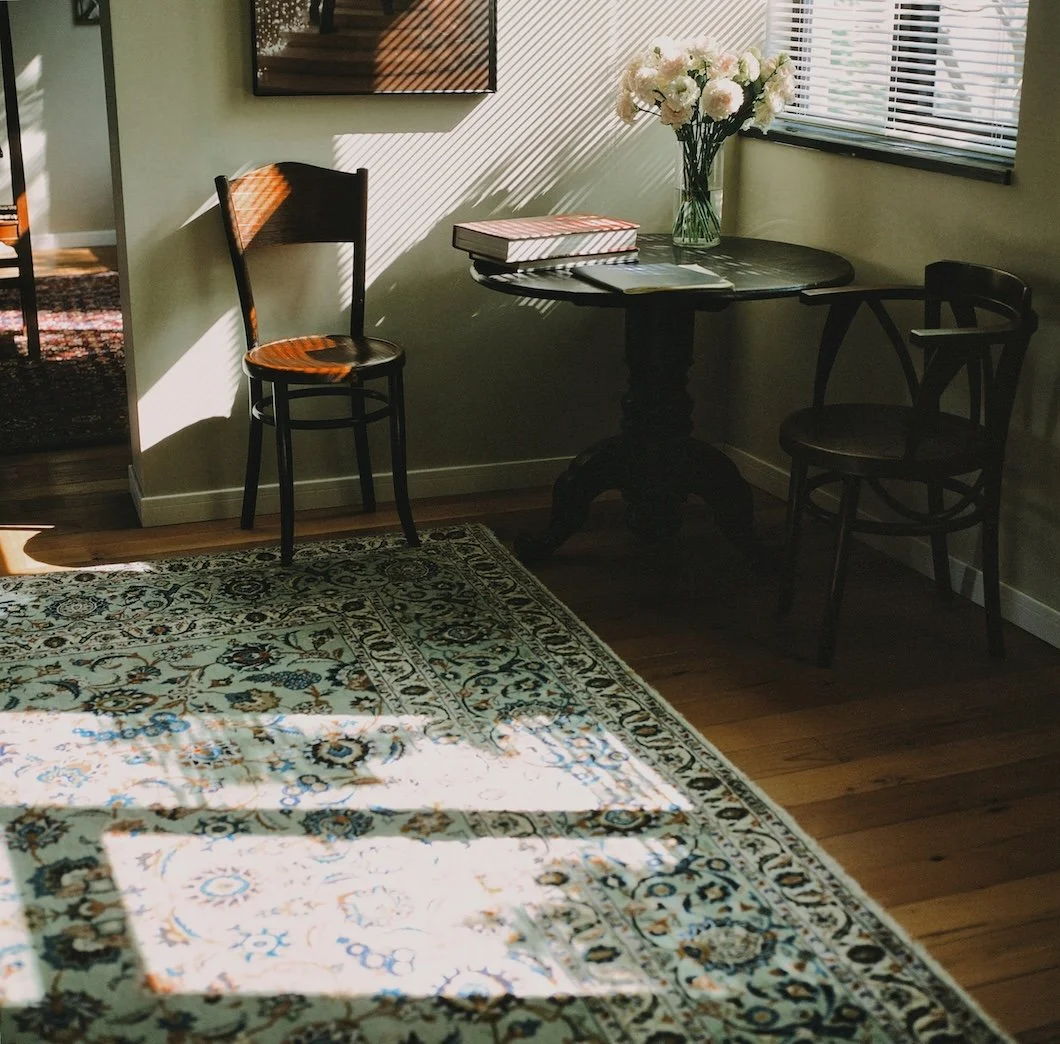
Photo by Rocky Xiong on Unsplash
There is a particular moment that happens after buying a home—or deciding, finally, to stay in one.
The boxes are mostly unpacked. The furniture is in place, even if it still feels provisional. You begin to notice how light moves across the walls in the morning, how certain rooms feel generous while others feel oddly resistant. And inevitably, the thought arrives: We should paint.
This instinct is understandable. Painting is one of the fastest ways to assert control over a space. It feels productive, decisive, reassuring. It promises freshness. It promises clarity.
And yet, some of the most successful paint decisions we see are the ones that do not happen immediately.
In a culture that rewards momentum, waiting is often misunderstood. It is framed as indecision, procrastination, or lack of vision. In design, as in life, action is celebrated while restraint is quietly questioned. But there is a difference between hesitation and patience, and nowhere is that distinction more important than in the home.
Waiting, when done intentionally, is not the absence of taste. It is the development of it.
Why “New” Is Often the Wrong Goal
Many homeowners believe they are searching for something new when what they are actually searching for is something that feels right.
Freshness, as an aesthetic goal, can be deceptive. Newness often reads as improvement, but it can just as easily erase useful information. A home speaks before it is repainted. It reveals how it is used, where light gathers, where people linger, and where they do not. It tells you which spaces carry energy and which quietly drain it.
Painting too quickly can interrupt that conversation.
The desire to make a home feel new is often strongest in moments of transition: after a purchase, after a renovation, after a life change. But those are also the moments when clarity is least reliable. Rooms have not yet settled into their rhythms. Light has not yet been observed through seasons. The house is still introducing itself.
Newness, in these cases, can be cosmetic rather than supportive. It can solve a visual discomfort while leaving deeper misalignments untouched.
Homes do not need to feel new. They need to feel understood.
What Time Reveals That Samples Cannot
Paint samples are useful, but they are not…wise.
They tell you what a color looks like in isolation, under controlled conditions, at a single moment in time. They do not tell you how that color will behave at seven in the morning on a winter weekday, or at dusk in late summer when shadows stretch across the walls. They do not account for furniture, art, movement, or mood.
Living in a space reveals subtleties that no swatch ever will.
Over time, homeowners begin to notice patterns. A room that felt bright begins to feel exposed. A space that once seemed neutral begins to feel cold. Another room, previously ignored, starts to feel like a refuge. These shifts are not failures of design; they are evidence of relationship.
Paint decisions improve when they respond to lived experience rather than imagined outcomes. The longer a room is inhabited, the clearer its needs become. Color stops being an aesthetic guess and starts becoming a response.
The Rooms That Ask for Patience
Not all rooms benefit equally from immediate action.
Spaces that exist between functions—hallways, stairwells, entryways—often reveal their purpose slowly. They are not destinations, but transitions, and their success depends on how they connect rather than how they impress. Painting them too quickly can emphasize their awkwardness rather than resolve it.
Multi-use rooms also reward patience. A dining room that doubles as a workspace, a den that becomes a guest room, a living room that hosts both conversation and quiet. These spaces evolve as routines settle, and their ideal color is rarely obvious at the outset.
Bedrooms, perhaps surprisingly, are often the last to declare themselves. Sleep, rest, and recovery are deeply personal, and what feels calming in theory does not always feel supportive in practice. Waiting allows these rooms to teach you what kind of quiet they require.
The more emotionally loaded a room is, the more time it deserves.
Hesitation Versus Intentional Waiting
It is worth distinguishing between fear and patience.
Hesitation is driven by anxiety about getting something wrong. It stalls decisions indefinitely and keeps homeowners trapped in uncertainty. Intentional waiting, on the other hand, is purposeful. It observes. It listens. It allows clarity to arrive without forcing it.
Confident homeowners are often the slowest to decide, not because they lack vision, but because they trust the process of refinement. They understand that good decisions tend to feel obvious only after they are ready to be made.
There is a quiet assurance that comes from knowing you do not have to rush.
When Paint Becomes a Response, Not a Reaction
The most successful paint choices are rarely dramatic. They do not announce themselves. They feel inevitable.
When paint becomes a response to how a room is actually used—rather than a reaction to how it looks in a moment—it supports daily life in subtle but meaningful ways. Glare softens. Shadows settle. Rooms become easier to be in.
At this stage, color is no longer decorative. It is functional in the truest sense. It regulates mood, light, and energy without demanding attention. It works quietly in the background, doing exactly what it is meant to do.
Interestingly, these are often the projects homeowners feel most satisfied with over time. They may not be the most exciting decisions at the outset, but they age well. They grow into the house rather than fighting it.
Knowing When Waiting Is Complete
There is a moment when waiting ends naturally.
It does not arrive with excitement. It arrives with certainty.
Homeowners often describe it as a feeling that the color has already been chosen, even before the paint is opened. The decision feels settled rather than thrilling. Calm rather than urgent. At this point, painting is no longer about change; it is about alignment.
The right color does not try to improve the room. It agrees with it.
Patience as a Design Value
In design, patience is rarely marketed. It does not photograph well. It does not promise instant gratification. But it is one of the most powerful tools available to homeowners who care about longevity rather than novelty.
Waiting allows homes to reveal themselves. It allows paint to become a thoughtful response instead of a rushed solution. It respects the fact that good environments, like good decisions, benefit from time.
At Stanwich Painting, we believe that timing matters as much as technique. Some projects are ready immediately. Others improve by waiting. Knowing the difference is part of the craft.
Not every improvement needs to happen right now. Some of the best ones happen exactly when they are ready.
When the right moment feels clear, a conversation can help confirm it.
Call Stanwich Painting or schedule a free interior painting consultation whenever you’re ready to move forward with intention.