
The Finish Changes Everything: Why Paint Sheen Matters as Much as Color
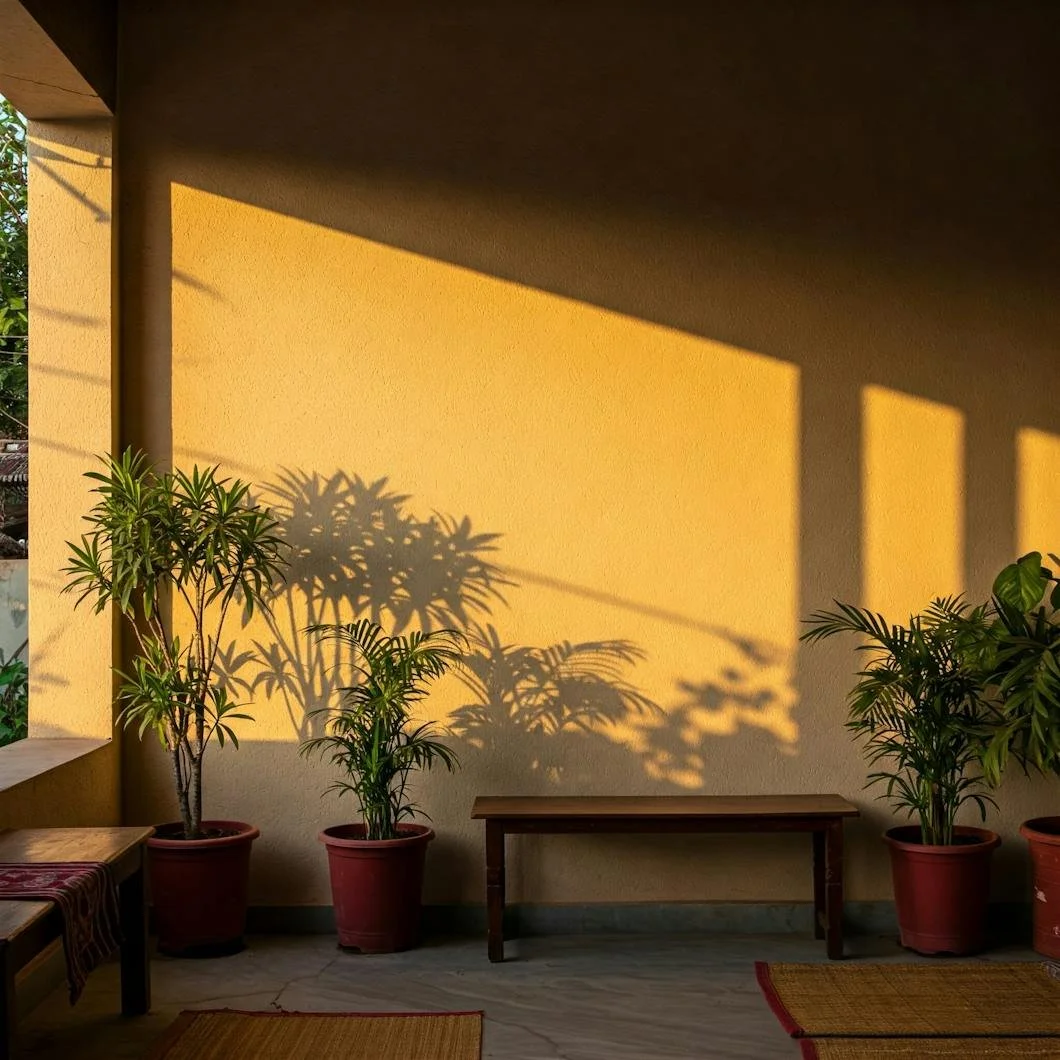
Photo by Jan Vee
Most homeowners spend a great deal of time choosing paint color, and for good reason. Color carries the mood of a room. It can make a bedroom feel softer, a dining room feel richer, a kitchen feel cleaner, or an entryway feel more intentional. It is the part people notice first, debate longest, and remember most clearly.
Then, once the color has finally been chosen, someone asks the quieter question.
What finish do you want?
This is where the confidence sometimes disappears.
Flat? Matte? Eggshell? Satin? Semi-gloss? High gloss? Suddenly the decision feels less romantic and more technical, as if the room has moved from design into paint-store vocabulary. But finish is not a minor detail. It is one of the most important decisions in the painting process because sheen determines how color behaves once it is actually on the wall.
Benjamin Moore describes paint sheen as the amount of light reflected from a painted surface, ranging from no shine to high shine. Those different levels can affect how colors appear and add dimension to a room. That means finish is not separate from color. It is part of how color is experienced.
A soft matte wall and a satin wall may technically wear the same color, but they will not live the same way. One may feel velvety and quiet. The other may feel more active, more reflective, and more defined. The finish changes the room before the furniture ever comes back in.
Color Gets the Attention. Finish Does the Quiet Work.
The easiest way to think about sheen is as a relationship between light, durability, and surface condition. Lower sheens reflect less light and tend to be more forgiving. Higher sheens reflect more light and often offer more durability, but they also reveal more about the surface underneath.
That is the part homeowners sometimes underestimate. Paint finish does not only affect how washable a wall is. It affects whether a room feels relaxed or polished, soft or crisp, casual or formal.
A low-sheen finish can make a color feel deeper and calmer because light does not bounce as sharply off the surface. A shinier finish can bring out architectural detail, make trim feel more finished, and add a sense of polish. Neither is automatically better. The right finish depends on the room, the surface, the light, and the way the space is used.
This is why choosing finish should not be treated as the final checkbox after color. It is a design decision and a craft decision.
The Sheen Ladder, Without the Paint Store Panic
Every paint brand has its own product language, and not every finish name means exactly the same thing across every line. But most interior paint decisions live somewhere along a familiar range, from the softest, least reflective surfaces to the shiniest and most durable.
In practical terms, the common finish family looks something like this:
Flat: Soft, non-reflective, and very good at hiding imperfections. Often used for ceilings and low-traffic areas.
Matte: Nearly shine-free, elegant, and often more durable than flat, depending on the product.
Eggshell: A low-sheen finish with a subtle glow, commonly used for living rooms, bedrooms, dining rooms, and hallways.
Pearl or satin: More reflective and durable, useful for high-traffic walls, trim, doors, cabinets, and spaces that need definition.
Semi-gloss: Noticeably reflective, durable, and classic for trim, doors, millwork, cabinets, and wainscoting.
High gloss: Dramatic, mirror-like, durable, and very unforgiving unless the surface preparation is excellent.
Benjamin Moore’s own finish guide places flat in ceilings and low-traffic wall areas, matte in living rooms, dining rooms, and bedrooms, eggshell in high-traffic walls and common living spaces, pearl or satin on high-traffic walls, trim, doors, and cabinets, and semi-gloss or high gloss on trim, doors, cabinets, wainscoting, and architectural details.
That is a helpful starting point. But the real decision is not just “what room is this?” It is “what do we need this finish to do?”
Sheen Changes the Color
This is where finish becomes more interesting than most people expect.
The same color can feel completely different depending on sheen. A deep green in matte may feel quiet, enveloping, and almost library-like. In satin, it may feel cleaner and more tailored. In high gloss, it may become dramatic, reflective, and almost theatrical.
A warm white in flat can feel soft and cloudlike on a ceiling. In eggshell, it may feel more practical on walls. In semi-gloss, it can become crisp and architectural on trim. The color has not changed, but the way light touches it has.
This matters especially in homes with strong natural light, older plaster, detailed trim, or rooms used at different times of day. Morning light, evening lamplight, and reflected light from floors, trees, or nearby surfaces can all change how sheen behaves.
A finish can make a color feel richer. It can also make it feel harsher. It can soften imperfections, or it can announce them. It can make a wall recede quietly, or it can turn a door, cabinet, or built-in into a feature.
That is why a finish sample matters. The swatch alone does not tell the whole story.
The More Shine, the More Truth
There is a simple rule that usually holds: the more reflective the finish, the more honest it becomes about the surface beneath it.
Flat and matte finishes are more forgiving because they scatter light instead of reflecting it sharply. That makes them useful for ceilings, older walls, low-traffic rooms, and areas where the goal is softness. Benjamin Moore notes that flat paint allows more pigment to come through, offers excellent hide, and is more forgiving of flaws, while matte provides excellent hide and depth of color with more durability than flat in many applications.
Higher sheens do something different. Satin, semi-gloss, and high gloss can be beautiful on trim, doors, cabinets, and architectural details because they catch light and create dimension. They make edges feel sharper. They give millwork a finished quality. They can make a front door feel more substantial and a built-in feel more custom.
But shine has a memory. It remembers every sanding mark, every uneven patch, every rough edge, every poorly repaired surface. Benjamin Moore warns that high gloss reflects light and can accentuate blemishes, so it should be avoided on areas that are not completely smooth.
This is why higher sheen requires better preparation. The finish is not doing the painter any favors. It is telling the truth.
Rooms Have Different Needs
A paint finish should be chosen according to how a room lives, not just how it looks in a photo.
Bedrooms often benefit from matte or eggshell because those finishes create softness and depth without too much reflection. Living rooms and dining rooms can also work beautifully in matte or eggshell, depending on traffic, lighting, and the desired mood. Hallways may need eggshell, pearl, or satin because they take more daily contact.
Bathrooms and kitchens require more thought. Moisture, cleaning, splashes, and ventilation all matter. In some cases, a specialty matte product designed for humidity may be appropriate. In others, eggshell, pearl, or satin may make more sense.
Trim, doors, and cabinetry usually need a finish with more durability and definition. Satin and semi-gloss remain popular because they offer a polished look without always going fully reflective. High gloss can be stunning, but it is not casual. It needs smooth surfaces, careful prep, and a room that can handle the drama.
A basic room-by-room guide might look like this:
Ceilings: flat or ultra-flat
Bedrooms: matte or eggshell
Living rooms: matte or eggshell
Hallways: eggshell, pearl, or satin
Bathrooms: moisture-appropriate matte, eggshell, pearl, or satin
Kitchens: eggshell, pearl, satin, or specialty products
Trim and doors: satin, semi-gloss, or gloss
Cabinets and built-ins: satin or semi-gloss, depending on the look and product
Powder rooms: almost anything, if the surface and design can support it
Powder rooms deserve special mention because they are small enough to take a risk. A high-gloss wall, a saturated satin finish, or a deep matte color can feel intentional there in a way that might overwhelm a larger space.
Older Homes and Newer Homes Ask Different Questions
In older homes, finish choice often needs to respect the condition and character of the surfaces. Plaster walls, layered trim, patched areas, historic millwork, and slight irregularities can be part of the home’s charm, but not every sheen will flatter them.
A lower sheen may soften those imperfections and give the room a more natural elegance. A high-gloss finish on imperfect old trim, however, may reveal more than the homeowner wanted to see.
Newer homes come with a different set of questions. Clean drywall and crisp trim can often handle more sheen, but that does not mean every room needs to shine. In a large, open-plan space, too much reflectivity can make walls feel busy, especially with strong light. A more restrained finish may keep the room calmer.
The best choice is rarely about age alone. It is about condition, architecture, lifestyle, and light.
Finish Is Where Design Meets Craft
Paint finish is one of those decisions that seems small until it is wrong.
The right finish makes a color feel settled. It supports the room’s purpose. It stands up to the way people actually live. It flatters the surfaces. It catches light where light should be caught and softens it where softness is needed.
The wrong finish can make a good color feel off. It can make walls look too shiny, trim look dull, or imperfections appear more obvious. It can make a room harder to maintain or less comfortable to inhabit.
At Stanwich Painting, we see finish as part of the larger painting conversation: color, surface condition, preparation, product selection, application, light, traffic, and long-term performance all working together. A beautiful paint job is not only about what shade goes on the wall. It is about choosing the finish that allows that shade to live properly.
Because color may be what draws the eye first, but finish is what the room keeps revealing over time.
Ready for a new paint finish?
Stanwich Painting proudly provides top-quality residential painting services throughout Fairfield County, including: Greenwich, Cos Cob, Riverside, Old Greenwich, Stamford, Darien, New Canaan, and Wilton