
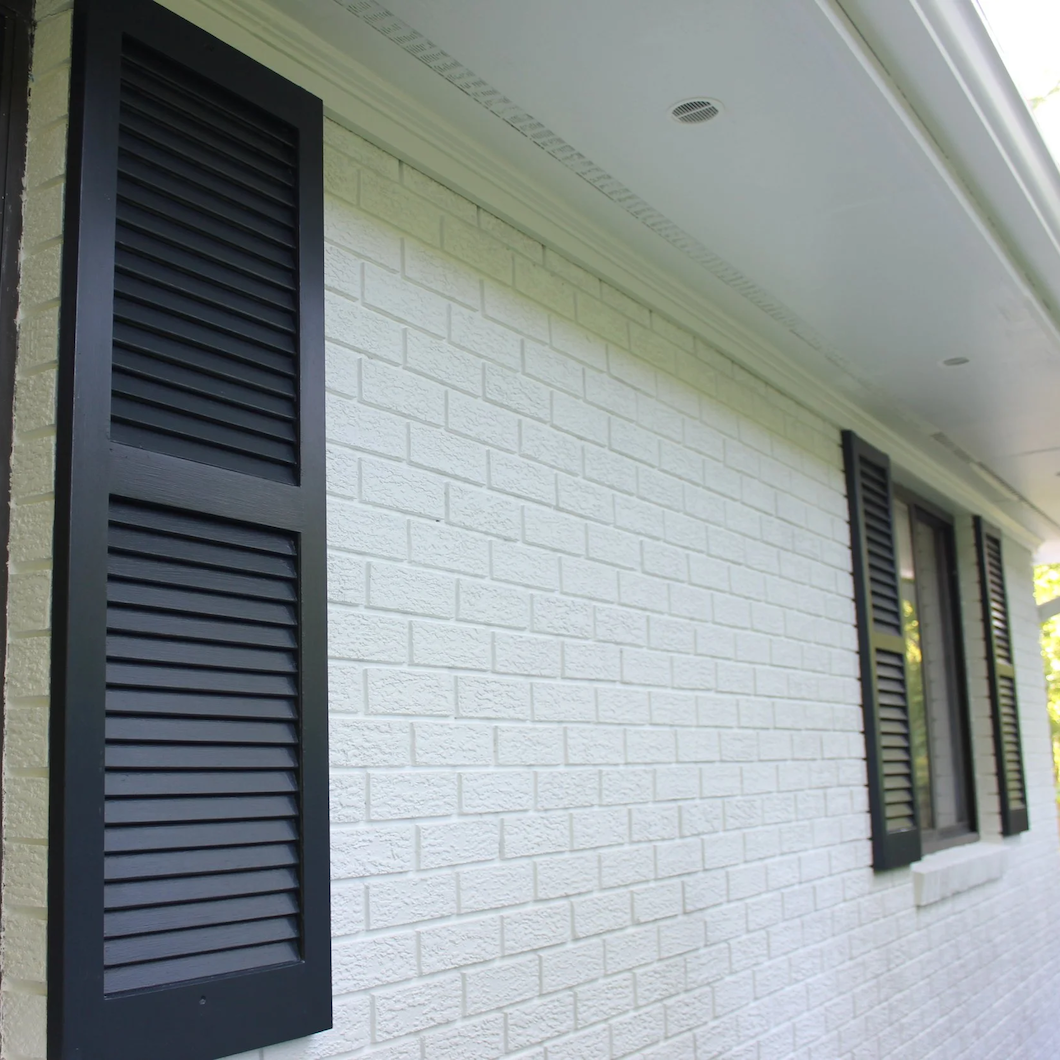
Mineral paint has a different relationship with a home’s exterior.
It is not simply about color. It is about the way a finish works with masonry, stucco, mineral surfaces, weather, moisture, sunlight, and time. On the right exterior, mineral paint can offer something more integrated than a conventional coating: a finish that feels connected to the surface rather than sitting on top of it.
That difference matters.
Many exterior paints are designed to form a film over the surface. In many situations, that is exactly what a home needs. Wood siding, trim, doors, shutters, and other exterior details often require specific coating systems designed for durability, adhesion, and weather protection.
Mineral paint belongs in a more specific category.
It is especially suited to mineral-based exterior surfaces such as stucco, masonry, lime render, concrete, brick, stone, and certain historic substrates where breathability and long-term compatibility matter. Instead of creating a sealed plastic-like layer, mineral paint is designed to bond with mineral surfaces and allow vapor to move through the wall more naturally.
For older homes, masonry homes, stucco exteriors, and architecturally detailed properties, that can be an important distinction.
A Finish That Works With the Surface
The exterior of a home is always under pressure.
Rain, sun, humidity, freeze-thaw cycles, coastal air, shaded elevations, poor drainage, old repairs, previous coatings, and daily temperature swings all affect how a finish performs. A beautiful exterior paint job depends on more than the color selected: it depends on whether the finish is right for the surface beneath it.
Mineral paint is compelling because it works with certain surfaces rather than simply covering them.
On appropriate masonry or stucco, mineral paint can create a matte, breathable finish that feels natural to the architecture. It does not have the heavy sheen or sealed appearance that can sometimes make masonry feel coated rather than preserved. The result is quieter, more mineral, and more connected to the original character of the home.
This is especially valuable on exteriors where the material itself carries much of the design: stucco walls, stone foundations, masonry details, chimneys, garden walls, older plaster-like surfaces, and homes where the architecture depends on texture, proportion, and restraint.
A mineral finish does not try to make these surfaces look new in a synthetic way. Instead, it helps them look cared for.
Breathability Matters Outside
Moisture is one of the most important considerations in exterior painting.
Homes need protection from water, but many exterior materials also need the ability to release trapped vapor. When moisture gets behind an incompatible coating and cannot escape, the finish may blister, peel, flake, or fail prematurely. In masonry and stucco, the wrong coating can create problems that are not only cosmetic.
That is where mineral paint can be valuable.
Because mineral paint is designed for vapor permeability, it can allow suitable exterior surfaces to breathe while still providing a refined finished appearance. This can be especially important for older masonry, historic homes, stucco exteriors, and mineral-based wall systems that were never meant to be sealed under a heavy film.
This does not mean mineral paint is right for every exterior, rather It means the surface has to be understood. The existing substrate, previous coatings, wall condition, moisture behavior, age of the home, exposure, and repair history all matter. A mineral finish performs best when it is used where it belongs, with the right preparation and the right product system.
That judgment is part of the craft.
A Softer Exterior Appearance
Mineral paint also has a distinct visual quality.
On exterior surfaces, it often creates a matte, natural finish with a softness that feels different from conventional exterior paint. The color can appear integrated into the surface rather than placed over it. The result is refined, restrained, and architectural.
For homes with stucco, masonry, or historic character, this can be a major advantage. A glossy or overly uniform coating can sometimes flatten the exterior. It can make texture feel artificial or make older materials look sealed off. Mineral paint tends to do the opposite. It respects the surface variation. It allows the exterior to retain depth, shadow, and material character.
The effect is not decorative. It is not a faux finish. It is not about making a home look rustic or old-world merely for the sake of style. Rather, it is about selecting a finish that genuinely belongs to the surface, one that enhances and supports the overall design and character of the home.
For Greenwich, Cos Cob, Riverside, Old Greenwich, Stamford, Darien, New Canaan, and Wilton homes, that can be especially relevant. Many properties in these areas have architectural details, masonry elements, stucco surfaces, historic materials, or carefully designed exteriors where finish quality directly affects the character of the home.
A mineral paint finish can give those surfaces a calm, grounded presence.
Where Mineral Paint Makes Sense
Mineral paint is not a universal exterior paint. It is not typically the answer for every piece of siding, trim, railing, shutter, or door. Those surfaces often require different coating systems. Mineral paint is most appropriate when the exterior surface itself is mineral-based and compatible with the product.
Strong candidates may include stucco, masonry, lime-based render, concrete, brick, stone, and certain historic exterior surfaces. It may also be considered for exterior walls, garden structures, masonry features, retaining walls, chimneys, and other surfaces where breathability, mineral bonding, and matte appearance are important.
But the key word is “may.”
Every project needs to be evaluated. Existing paint layers can change what is possible. Some surfaces may need cleaning, repair, mineral-compatible primers, patching, or removal of failing coatings before mineral paint can be considered. In other cases, a conventional exterior coating may be the more appropriate choice.
The best finish is not the most interesting product, but the finish that fits the home.
Preparation Is Everything
Mineral paint rewards proper preparation.
Exterior surfaces need to be assessed carefully before any finish is applied. Dirt, biological growth, chalking, loose paint, cracks, failed repairs, moisture intrusion, efflorescence, incompatible coatings, and deteriorated stucco or masonry all need to be addressed.
This is where the work becomes more than painting. A successful mineral paint project begins with understanding the wall. What is the surface made of? Has it been painted before? Is the existing coating breathable? Is moisture moving properly? Are there cracks or repairs that need attention? Are there areas where water is entering, sitting, or failing to drain?
Skipping those questions can compromise the result.
Mineral paint may look simple when finished, but the system behind it has to be correct. Surface preparation, product compatibility, primer selection, application method, weather conditions, and drying time all play a role.
That is especially true in Fairfield County, where exterior surfaces may deal with humidity, shade, seasonal weather swings, coastal influence, mature trees, and older construction methods. The finish has to be selected and applied with the actual conditions of the home in mind.
Built to Last
A strong exterior finish should not only protect the home, but also respect its character and construction.
Mineral paint offers a way to finish compatible exterior surfaces without losing their material character. It can help masonry and stucco feel more natural, more breathable, and more architecturally settled. It can create a softer exterior appearance while still supporting the performance needs of the surface.
That balance is what makes mineral paint interesting.
It is practical, but not merely practical. It is beautiful, but not decorative. It is durable, but not heavy-handed. It offers a finish that feels appropriate for homes where materials, proportion, and restraint matter.
Stanwich Painting approaches mineral paint as a specialty exterior finish, not a trend or simple upgrade. The process begins with the surface itself: what it is, how it has been treated, how it handles moisture, and what kind of finish will serve it best.
Sometimes the right answer is a premium conventional exterior paint system. Sometimes the right answer is careful prep, repair, and repainting. And sometimes, on the right masonry or stucco surface, mineral paint offers something better suited to the home.
Its breathable finish allows moisture to escape while helping protect the surface beneath. The appearance is softer and more natural, preserving the texture and character that make masonry and stucco so distinctive. Rather than creating a sealed coating, mineral paint becomes part of the surface itself, offering lasting protection without changing the way the home feels.
For exterior projects where the finish needs to respect both architecture and performance, mineral paint can be a thoughtful, lasting choice.
Stanwich Painting proudly provides top-quality residential painting services throughout Fairfield County, including: Greenwich, Cos Cob, Riverside, Old Greenwich, Stamford, Darien, New Canaan, and Wilton