
Making a New House Feel Like Home
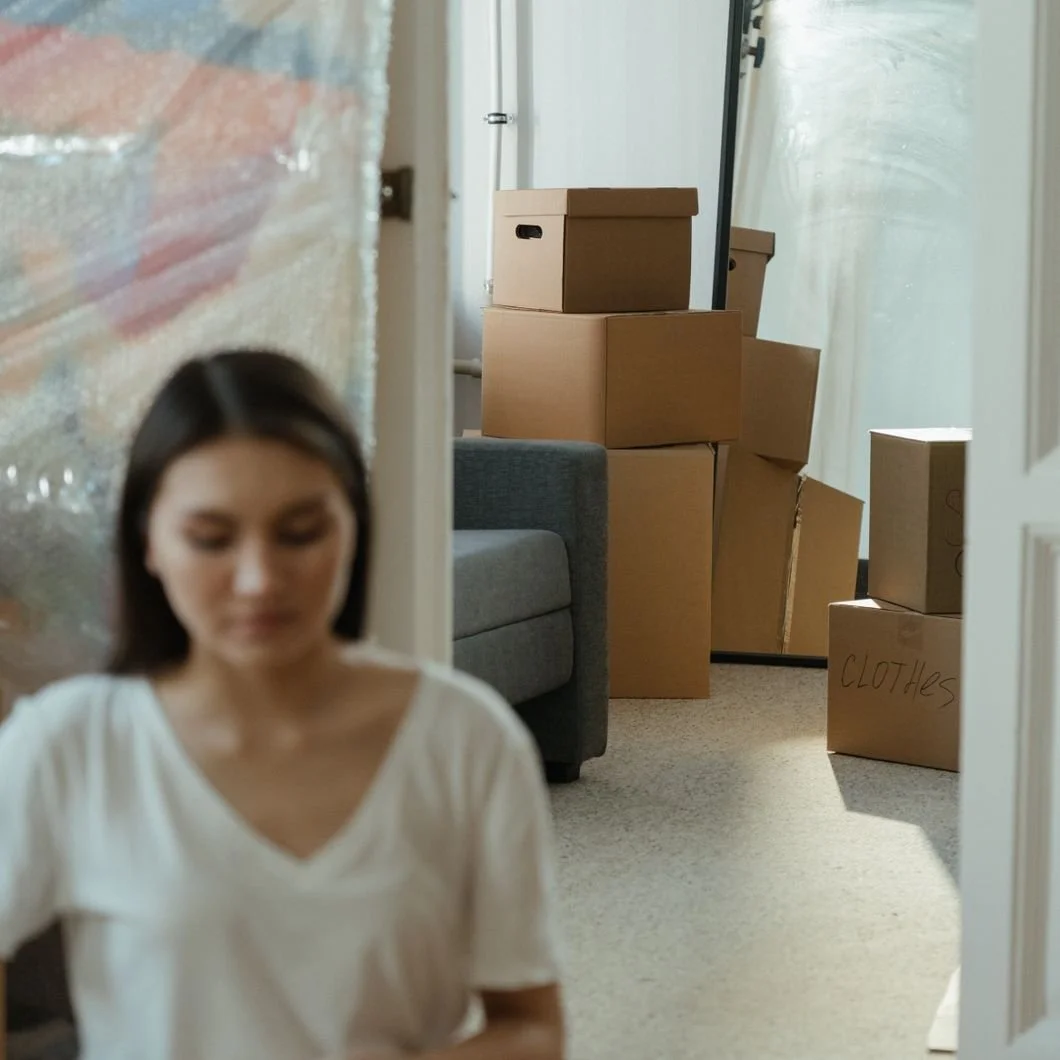
Photo by cottonbro studio
A house can be beautiful and still feel unfamiliar.
The closing is finished. The keys are in hand. The moving truck has come and gone. Furniture has been placed, closets have started to fill, and the kitchen is slowly becoming functional again.
From the outside, everything may look settled.
Inside, it may feel different.
For many families moving into Fairfield County—whether to Greenwich, Riverside, Old Greenwich, Cos Cob, Stamford, Darien, New Canaan, Wilton, or one of the surrounding towns—the story of the house usually begins long before move-in day. It may have started with a search for more space, a shorter commute, a particular school district, or the chance to be closer to family. For some, it is a return to the Northeast after years away. For others, it is the result of months of planning, hoping, and imagining what the next chapter might look like.
But even a good move is still a disruption.
The routines that once happened without thinking now have to be rebuilt. The morning rhythm is different. The light comes into the bedroom at a new angle. The children are learning new hallways, new bedrooms, new sounds at night. The family room may be larger, the kitchen may be brighter, the property may be exactly what you wanted—and still, for a while, the house can feel like it belongs to someone else.
That is not unusual.
A new house does not become home the day the movers leave. It becomes home slowly, as the family begins to recognize itself inside the rooms.
Paint can be one of the first ways that process begins.
The House Before You
Many homes in Fairfield County come with history already built in. Older Colonials, shingle-style homes, Capes, Tudors, renovated farmhouses, and larger traditional properties all carry a certain presence. Their details are part of their appeal: millwork, staircases, built-ins, fireplaces, old trim, mature light, rooms with proportion and memory.
That character is often what makes the house worth choosing.
But when you move in, you are also stepping into the visual decisions of the people who lived there before you.
The dining room may still carry the color chosen for another family’s holiday gatherings. A nursery may reflect a chapter that belonged to someone else’s child. The hallway neutral might have been selected simply to appeal to buyers, while the powder room wallpaper once fit a style and taste that left with the previous owners. Even the primary bedroom may have been painted to complement furniture that is no longer in the house.
None of this means the house is wrong. The previous owners may have cared for it beautifully. The walls may be clean, the trim may be intact, and the paint may be perfectly acceptable.
Acceptable, though, is not the same as personal.
A house can be move-in ready and still not feel emotionally ready for the people who just moved in. It may need to be softened, warmed, brightened, quieted, or simply brought into relationship with a new family’s life.
That is where painting becomes more than maintenance.
It becomes a way of saying: we are here now.
Moving Is Not Only Logistical
Moving is usually framed as a series of practical tasks: packing boxes, confirming closing dates, scheduling movers, transferring utilities, arranging furniture delivery, filling out school forms, and forwarding addresses. But beneath that checklist is a different story: an accumulation of small, urgent choices that descend at once, each pulling for attention, coordination, and a burst of last-minute problem solving. The logistics are visible; the weight of leaving and starting again is quieter, threaded through every hurried decision.
And in Fairfield County, especially with larger homes and major relocations, many of those details may be handled professionally. There may be movers, organizers, designers, contractors, and a carefully managed schedule.
Even so, the emotional work of moving cannot be outsourced.
The family still has to adjust.
Children, especially, often experience a move differently than adults. Adults may understand the reason for the transition. They may see the opportunity, the better commute, the schools, the investment, the long-term plan.
Children feel the loss more immediately.
Their room is gone. Their friend group is farther away. Their school is different. The familiar sounds of the old house have disappeared. Even when the new home is objectively better, it may take time before it feels safe, known, and theirs.
That is why certain rooms carry more weight after a move than homeowners sometimes expect.
A child’s bedroom is not just a bedroom. A family room is not just a room with a sofa. A kitchen is not just a kitchen. These are the places where the nervous system of the household begins to settle again.
Paint cannot solve every part of a transition, of course.
But it can help create rooms that feel calmer, more familiar, and more connected to the people who now live there.
The First Rooms May Not Be the Formal Ones
It’s natural to think first of the rooms guests will see: the foyer, the living room, the dining room—all the spaces that announce the house. Those rooms matter, especially in homes with strong architecture or a formal layout. But when a family is trying to settle, the most important rooms are not always the most visible ones.
More often they are the places where daily life must begin again. A child’s bedroom where small rituals—a favorite blanket, a nightlight—make a strange place feel like home. The primary bedroom where exhausted parents seek a quiet, restorative refuge after months of decisions. The kitchen where mornings are rebuilt around coffee, homework, and the slow return of routine. The family room where, at day’s end, everyone finds their way back to one another. Even the mudroom, back stair, or narrow hallway can hold the silent daily choreography that keeps a household moving.
These rooms are where living happens, in the small acts that stitch a new house into a life. They don’t have to be grand; they only need to be right for the people who use them. Focusing there first—on comfort, calm, and the details that make rooms useful— is how a house becomes a home.
These are not always the rooms that impress. They are the rooms that support.
And after a move, support matters.
A thoughtful painting plan can begin there. Not necessarily with the largest room or the most dramatic color change, but with the spaces that help the family feel more grounded in the house.
Sometimes the right first project is not the grand entry.
Sometimes it is the child’s bedroom.
Color and the Feeling of Belonging
Each room carries its own kind of tension.
An entry can feel impressive but not welcoming. A bedroom can be freshly painted and still not restful. A family room can have generous light and good proportions, yet somehow remain difficult to settle into. In older homes, especially those shaped by different owners over time, the challenge is often not one bad color. It is the lack of a shared language from room to room.
A thoughtful palette begins to solve that.
It can warm the formal spaces, quiet the transitional ones, soften the private rooms, and give depth to the places where the house wants more intimacy. It can help the architecture feel respected without allowing the home to feel museum-like. It can make a large house feel less like a collection of rooms and more like one continuous place to live.
This is why color selection after a move is rarely just a matter of choosing what looks pretty on a sample card.
It is about noticing what the house is asking for, what the family needs from it, and where those two things can meet.
That may mean a warm, architectural white that works with older trim instead of fighting it. It may mean a quieter neutral through the hallways so the home feels more continuous. It may mean a muted green in a bedroom that looks toward the trees, or a dusty blue in a child’s room that needs calm without feeling too grown-up. It may mean a deeper color in a study, dining room, or powder room where the house is asking for a little confidence.
Sometimes the wall color is not the only issue. Trim, ceilings, sheen, and transitions between rooms can change the entire atmosphere of a house. A room that feels cold may not need a dramatic color. It may need a softer trim white. A hallway that feels disjointed may not need decoration. It may need continuity. A formal room that feels unused may need a richer tone, better balance, or a finish that gives the space more depth.
These are the kinds of decisions that often happen in conversation between the homeowner, painter, and interior decorator.
The decorator may be thinking about fabrics, rugs, furniture, window treatments, art, and how the rooms will eventually come together. The painter is thinking about surface condition, light, prep, finish, trim, ceilings, and how color will actually behave on the walls.
When those conversations happen early, the painting does not feel separate from the design of the home.
It becomes the foundation for it.
Living With the House First
Some homeowners want the entire interior painted before moving in. When the house is empty, the process is often cleaner, faster, and less disruptive. Floors can be protected, rooms are easier to access, and a full repaint can create an immediate sense of reset before the family arrives.
That can be the right decision.
But it is not the only thoughtful one.
There are also homes that need to be lived in for a little while before the right decisions become clear. Morning light may change the kitchen completely. A hallway that looked fine during the showing may begin to feel too dark after a few weeks. A bedroom color that seemed harmless may feel wrong once furniture, bedding, and daily life are inside the room.
The house reveals itself over time.
So does the family’s relationship to it.
A phased painting approach can be especially useful for homeowners who are working with an interior decorator or planning larger updates over time. Instead of rushing the whole palette at once, the home can be shaped room by room, with each decision connected to the larger feeling of the house.
The first phase might focus on bedrooms and family spaces. The second might address hallways, trim, and common areas. Later, dining rooms, offices, powder rooms, built-ins, or more expressive spaces can be approached with a clearer sense of what the home is becoming.
There is no single correct way to settle into a house.
The best approach is the one that respects both the property and the people now living inside it.
Letting the House Become Yours
A new house brings a peculiar pressure. It should feel exciting, beautiful, like the right decision—and often it is. Still, the heart can take time to catch up with the address.
Routines must settle into rooms. Furniture must claim its corners. Children must learn which spaces are theirs and feel safe in them. Adults must shift from managing the move to simply living. Gradually, the house finds its rhythm.
Morning coffee finds its place. Backpacks land where everyone knows. The dog waits by the door. Guests gather. Sunday afternoons have a usual spot. Light settles into the moments that matter.
Painting quietly supports that settling. It doesn’t erase the architecture or demand the home become something it’s not. Instead, it helps rooms turn toward the life unfolding within them. Old colors may belong to another family’s season; now the house is ready for yours.
A Thoughtful Start for Your New Home
At Stanwich Painting, we understand that painting a new home is not always about changing color for the sake of change.
Sometimes it is about helping a family feel grounded after a major transition. Sometimes it is about making an older house feel fresh without losing its character. Sometimes it is about giving a child a room that feels safe, calm, and personal. Sometimes it is about working carefully alongside a homeowner or interior decorator to create a palette that feels considered, cohesive, and right for the way the family actually lives.
Whether you have just moved into a home in Greenwich, Cos Cob, Riverside, Old Greenwich, Stamford, Darien, New Canaan, or Wilton, Stanwich Painting can help you approach the process with care, craftsmanship, and respect for what this moment really means.
A new house may be yours on paper, but paint helps it begin to feel like home.
Stanwich Painting proudly provides top-quality residential painting services throughout Fairfield County, including: Greenwich, Cos Cob, Riverside, Old Greenwich, Stamford, Darien, New Canaan, and Wilton