
Love In The Details: Valentine’s Day Color Accents That Aren’t Red
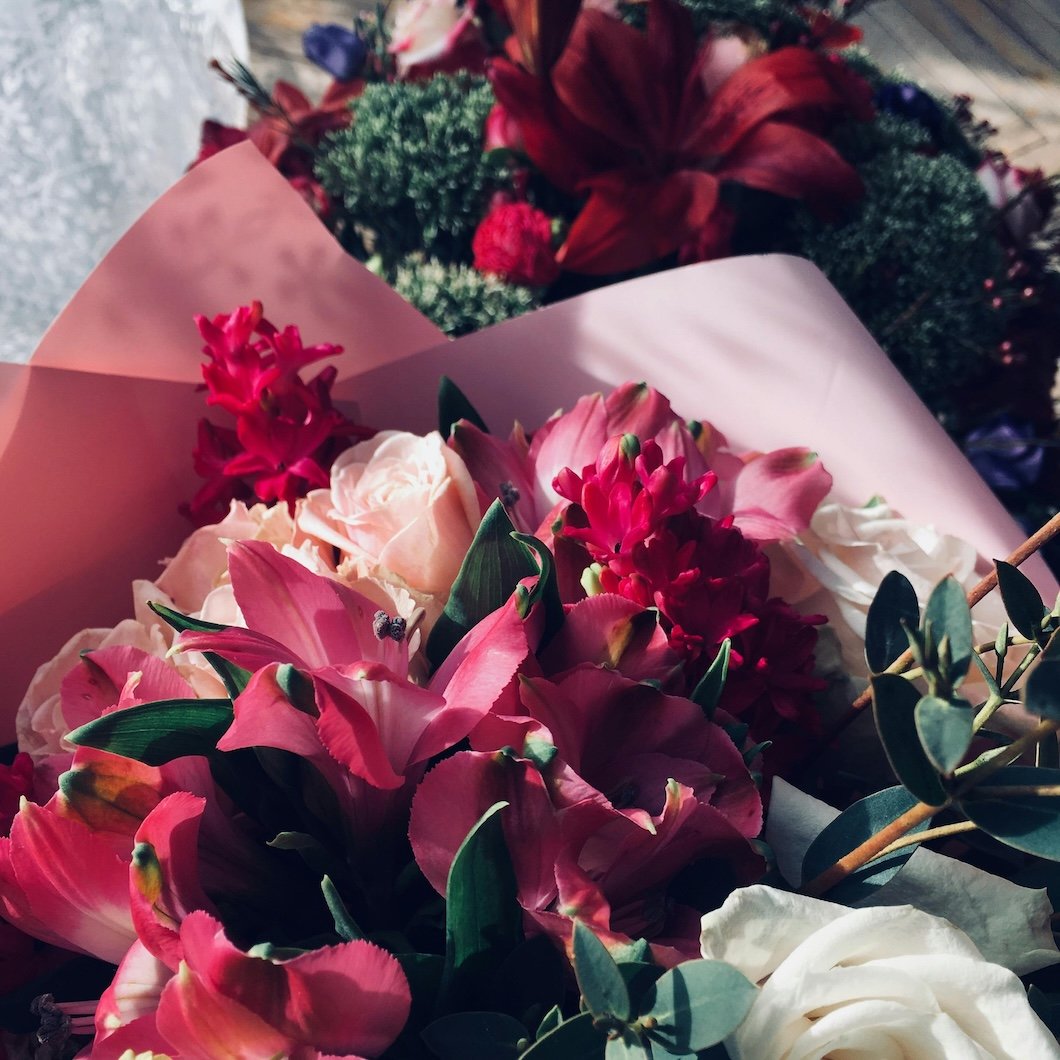
Photo by Julia Khalimova
Valentine’s Day carries a familiar visual script. Red roses. Pink ribbons. Crimson hearts. The language is immediate and recognizable, but also, in many ways, narrow. It suggests that love must be loud in order to be legible, bold in order to be felt.
Interiors tend to tell a different story.
In the most resonant homes, romance rarely announces itself. It settles in through atmosphere. Through warmth. Through color choices that feel considered rather than performative. Love, in this context, becomes less about symbolism and more about sensation.
This is where accent color becomes powerful.
Accent color is not about domination. It is about suggestion. It appears in small, intentional moments and quietly shapes how a space feels to inhabit. A softened ceiling. A warm-toned door. A hushed alcove. A powder room that feels like a jewel box. These are not grand gestures. They are intimate ones.
For homeowners who want a Valentine’s sensibility without defaulting to red, there is a rich, sophisticated palette waiting just beneath the surface. Soft neutrals with warmth. Gentle clays. Mineral greens. Muted lavenders. Colors that feel emotionally alive without being literal.
This is Valentine’s as feeling, not theme.
Romance Lives in Restraint
There is a persistent myth in design that romance must be dramatic. That intimacy requires contrast, saturation, or overt sensuality.
In reality, some of the most romantic spaces are the quietest ones.
They rely on tonal layering rather than bold juxtaposition. They privilege softness over spectacle. They feel calm, but not cold; warm, but not busy.
Accent color becomes the perfect vehicle for this restraint. Instead of overtaking a room, it appears in architectural pauses. It becomes something you notice slowly. Something you feel before you consciously register.
This approach creates homes that feel deeply personal rather than decorated.
Warm Neutrals with a Pulse
Some neutrals function purely as background. Others carry a quiet vitality.
Warm neutrals with undertones of sand, biscuit, and soft clay live in this second category. They behave like classic neutrals in practice, yet they hold an emotional charge that cooler whites and grays often lack. These are colors that feel gently inhabited rather than pristine, as though they have absorbed light, time, and use.
Their warmth is subtle, not overt. It does not announce itself as color in the traditional sense, but it shifts the atmosphere of a space in a way that is immediately perceptible. Rooms feel softer. Edges feel less sharp. Light feels kinder.
These hues are particularly powerful on secondary architectural surfaces, where a whisper of warmth can reshape the entire mood of a room without overtaking it. Ceilings washed in a warm neutral feel more enveloping. Trim finished in a softly toned white feels intentional rather than stark. Interior doors and niches become moments of quiet presence rather than contrast.
Benjamin Moore
Farrow & Ball
Used as accents, these colors create spaces that feel calm, lived-in, and quietly luminous. They do not ask for attention. They simply make a home feel warmer, more grounded, and more human.
Gentle Terracotta and Soft Clay
Warm earth tones carry an elemental quality that feels at once familiar and deeply comforting. Rather than overt color statements, softened clay and terracotta-inflected hues evoke the gentle warmth of sunbaked earth and time-worn surfaces. These shades introduce an emotional richness that feels honest rather than decorative, bringing a sense of rooted calm to architectural details and smaller spaces.
Benjamin Moore
Baked Cumin 1062 — a spiced, toasted beige with an organic, lived-in quality that suggests earthier depth without feeling heavy or saturated.
Clay Beige OC-11 — a warm, sandy neutral with an overall muted cast, offering versatile warmth that feels grounded and approachable.
Farrow & Ball
Stony Ground No. 211 — a classic stone-inspired neutral with a slight underlying warmth that reads as soft beige, creating subtle complexity without overt intensity.
These hues are wonderfully suited to interior moments where subtle warmth makes an outsized emotional impact — built-in shelving, bathroom vanities, cozy alcoves, and interior entryways all benefit from their grounded presence. Rather than dominating a room with color, they shape atmosphere by adding quiet depth and narrative, making accent moments feel intentional and soulful.
Soft Mineral Greens
Green carries an inherent relationship to restoration. In its quieter, mineral expressions, green moves away from anything overtly botanical and toward something more atmospheric. These hues feel washed, slightly grayed, and gently desaturated, as though softened by light and time rather than pigment.
Soft mineral greens offer calm without coolness. They introduce color in a way that feels balancing rather than decorative, bringing a subtle sense of life into a space without visual noise.
Benjamin Moore
Palladian Green HC-144 — a classic soft green with gentle gray undertones, luminous and calming without reading overtly pastel.
Saybrook Sage HC-114 — a muted sage with historic character and earthy depth, warm enough to feel grounding yet restrained enough for accent use.
Farrow & Ball
Mizzle No. 273 — a delicate green-gray inspired by mist, quietly complex and beautifully soft.
Borrowed Light No. 235 — a pale, airy blue-green that reads as luminous and gentle, especially in low-sheen finishes.
These colors shine in powder rooms, ceiling applications, interior doors, and small nooks where a sense of calm is essential. Used as accents, they create moments of visual rest that feel restorative rather than styled, contributing to a home that feels quietly balanced and emotionally easy to inhabit.
Muted Hues with Quiet Depth
Not all gentle color accents need to be literal or named after flowers. Some of the most evocative schemes arise from soft, nuanced tones that sit between classic neutrals and understated color — hues that carry trace warmth or delicate undertones without ever reading bright or saturated.
These colors don’t announce themselves. They settle. They respond to light, and their subtle complexity creates an atmosphere that feels contemplative, gentle, and softly romantic.
Benjamin Moore
Lavender Mist 2070-60 — a soft shade of violet-leaning gray that reads serene and calm without bright chroma. (A gentle, moody option when you want a hint of color without overt pastels.)
Farrow & Ball
Peignoir No. 286 — a romantic grey-pink that carries a subtle dusting of warmth, giving it a soft, poised presence that feels elegant and quiet.
Light Blue No. 22 — a silvery blue that often reads like a calm neutral with whispering undertones of sky and gray, creating a soothing backdrop that complements muted schemes.
In placement, these hues work beautifully in bedrooms, reading corners, linen closets, and interior hallways — spaces where color behaves as mood rather than messaging. A Lavender Mist accent wall introduces a hint of soft color that feels restful and poised. A Peignoir alcove or built-in shelving layer warmth into a neutral field without pulling focus. Light Blue on a ceiling or hallway alcove offers a serene sense of sky-like calm that almost feels like light rather than paint.
What these tones share is subtlety: they are colors that reward time in a space, not just immediate recognition. They feel emotional without being overt, delicate without being insubstantial, and layered rather than literal.
The Power of Small Surfaces
Accent color does not need to occupy large expanses of wall space to be meaningful. Some of the most emotionally resonant uses of color happen on the quieter surfaces of a home, in the places the eye encounters almost subconsciously. A ceiling washed in a softened hue can subtly shift how a room holds light. Trim finished in a warm neutral can frame a space with gentleness rather than contrast. An interior door, a built-in, or a recessed niche becomes an opportunity for color to appear as a moment of discovery rather than declaration. These smaller applications often feel more intimate precisely because they are not competing for attention. They invite you to notice them slowly, and in doing so, they deepen the emotional texture of the home.
These smaller surfaces act almost like emotional punctuation within a home’s narrative. They subtly guide movement from room to room, creating gentle transitions and quiet moments of pause. Rather than demanding attention, they reward it. The experience becomes less about spectacle and more about discovery, the kind that unfolds gradually as you live within the space. In many ways, this is where color feels most romantic, not because it announces itself boldly, but because it reveals itself slowly, offering warmth and intention in places you did not expect to find it.
Finish as Emotional Language
Sheen influences mood just as profoundly as hue itself. The way a surface reflects or absorbs light quietly shapes how a color is experienced. Matte and velvet finishes tend to soften edges and create a sense of calm, allowing color to feel enveloping rather than reflective. Eggshell offers a gentle luminosity, introducing warmth without shine, while satin can provide a restrained polish when used thoughtfully. High-gloss finishes, by contrast, often introduce a note of formality that can feel at odds with a romantic atmosphere. For Valentine’s-inspired accents, lower-sheen finishes almost always read as more intimate. Romance in interiors, after all, speaks in a quieter register.
Designing for Feeling, Not Occasion
Perhaps the most important shift is that Valentine’s color is not about a day. It is about a feeling you want your home to hold: warmth, ease and quiet connection. A sense of being supported by your space rather than impressed by it.
When color choices are rooted in atmosphere instead of occasion, they endure. They remain beautiful long after February has passed. They become part of the home’s emotional architecture.
Love in interiors rarely announces itself. Instead, it lives in tone, shadow and in the small, thoughtful decisions.
This Valentine’s season, consider stepping away from red.
Choose the quieter palette. Choose color that feels alive, not loud.
Because the most romantic homes are not themed.
They are felt.
Whether you’re considering a gentle accent palette, a nuanced color refresh, or simply want to explore how subtle hues can shape the mood of your home, our team is here to help. A thoughtful consultation can turn these soft, elegant accents into a cohesive palette that feels beautifully, deeply yours.