
Let The House Grow With You: Why The Best Homes Are Never Finished
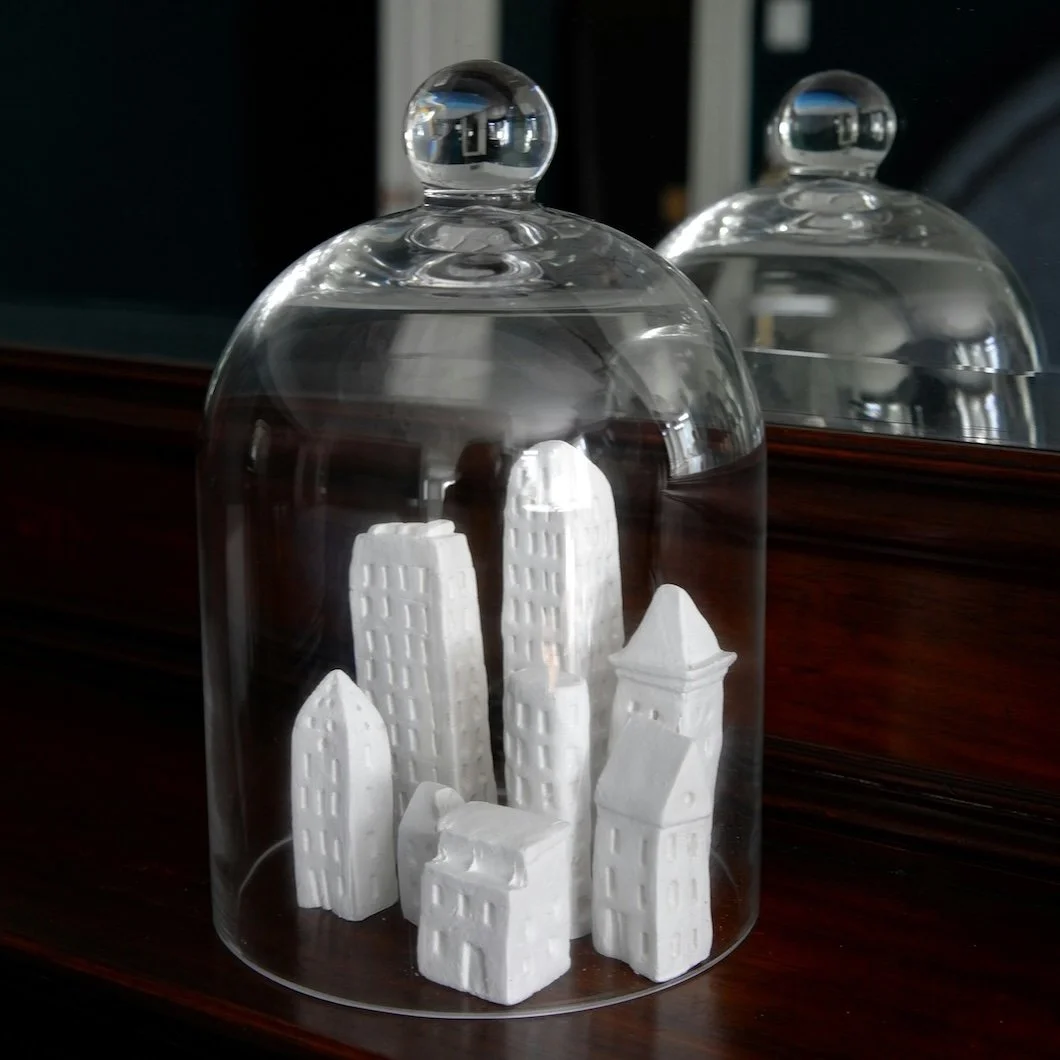
Photo by Kate Branch on Unsplash
There’s a quiet myth many homeowners carry without realizing it: the idea that one day the house will finally be finished.
The renovation will be complete. The furniture will be right. The colors will settle into place. The rooms will reach their final form and remain that way for years to come.
But homes, like the lives lived inside them, rarely stay still for long.
Careers shift. Children grow. People begin working from home. Hobbies appear out of nowhere. The rhythms of everyday life change in subtle ways that accumulate over time. A breakfast nook becomes a workspace. A guest room becomes a studio. A once-busy family room grows quieter after children leave for college.
When life evolves, the house feels it.
And often, the simplest way to allow a home to grow alongside its owners is through something remarkably flexible: paint.
A thoughtfully chosen color palette can help a home transition through the chapters of life without the need for major renovations. It can refresh spaces that feel stuck in a previous era and bring the entire house back into alignment with how people actually live today.
The best homes are rarely finished. They are alive.
Life Happens in Chapters—Homes Should Too
Think back to the first years in any home. The early decisions tend to reflect a particular moment in life—what felt exciting, practical, or comfortable at that time.
For young families, that often means bright, energetic interiors. Light neutrals, open rooms, and durable finishes dominate the palette. Spaces are designed around movement, activity, and the unpredictable rhythms of daily life.
As years pass, those needs evolve.
Teenagers begin to claim their own corners of the house. Quiet workspaces become more valuable. The kitchen may shift from a busy command center to a gathering space for evening conversations. A spare bedroom may transform into a home office or creative studio.
Later still, homes often settle into a slower rhythm. The focus shifts toward comfort, atmosphere, and personal expression. Entertaining becomes more intentional. Rooms once designed for function become spaces designed for enjoyment.
These transitions rarely require knocking down walls. More often, they simply require allowing the visual atmosphere of the home to change.
Paint becomes the tool that helps a house acknowledge the passage of time.
When a House Stagnates, It Feels It
Many homes begin to feel “outdated” not because the architecture is wrong, but because the colors no longer match the life unfolding inside the walls.
A family that once loved bright whites and cool grays may suddenly feel drawn to warmer tones. Rooms painted a decade ago can begin to feel disconnected from the present moment—like a snapshot of an earlier version of the household.
This is one of the quiet reasons homeowners begin to sense that their space needs a refresh.
The furniture may still work. The layout may still make sense. But the emotional tone of the house no longer matches the people living there.
Paint, in this way, becomes less about decoration and more about alignment.
A home that evolves visually tends to feel more intentional, more comfortable, and more personal.
Paint Is the Most Flexible Design Tool in a Home
Major renovations are exciting, but they also require time, expense, and disruption. Paint, by contrast, offers an extraordinary amount of transformation with relatively little upheaval.
Color can lighten a room that feels heavy. It can deepen a space that feels too bright or exposed. It can create warmth where cool tones once dominated, or introduce softness into rooms that feel overly stark.
Even subtle shifts in color temperature can dramatically change how a home feels.
A gentle neutral like Benjamin Moore Edgecomb Gray offers warmth without overwhelming a space, making it a natural choice for living areas that need a quiet sense of cohesion. Meanwhile, something like Sherwin-Williams Drift of Mist brings an airy calm to open interiors, especially when paired with natural light and soft wood tones.
For homeowners ready to explore slightly deeper palettes, colors such as Benjamin Moore Gloucester Sage introduce a grounded, organic feel that works beautifully in studies, dining rooms, and bedrooms. And Sherwin-Williams Studio Clay, with its earthy undertones, can add a sense of quiet sophistication to spaces that once relied on cooler neutrals.
These shifts are rarely dramatic. But over time, they allow a house to subtly grow alongside the people living within it.
The Subtle Evolution of Color
One of the most interesting patterns painters observe is how homeowners’ color preferences change as life evolves.
Younger households often gravitate toward brightness and openness. Light tones help spaces feel expansive and energetic, reflecting the pace of early family life.
As homes mature, palettes often deepen. Homeowners begin to appreciate color with more nuance—warm taupes, soft greens, and layered neutrals that create a sense of depth and comfort.
This is where colors like Farrow & Ball Jitney or French Gray become particularly appealing. These tones carry subtle complexity, shifting slightly depending on light throughout the day. Rather than dominating a room, they settle into it, creating atmosphere rather than spectacle.
Later still, homeowners often seek calm. After years of busyness, the home becomes a place to slow down.
In these moments, colors like Farrow & Ball School House White or muted natural tones can create rooms that feel restorative rather than stimulating.
The goal is rarely trend-driven design. It’s simply allowing the home to reflect the emotional stage of life.
Refreshing the Forgotten Spaces
Interestingly, the areas of a home most in need of evolution are often the spaces people overlook.
Hallways, stairwells, spare bedrooms, and older dining rooms frequently remain unchanged for years. Because these areas receive less daily attention, they quietly fall behind the rest of the house.
Yet refreshing these transitional spaces can have a surprisingly large impact.
A hallway painted in a fresh neutral can brighten an entire floor. A stairwell updated with a warm tone can connect multiple levels of a home more gracefully. Even a small guest room repainted with a calming palette can transform how the space feels to both residents and visitors.
Often, these projects become the starting point for a broader shift in the home’s atmosphere.
Once homeowners see how much a refreshed color palette improves a single space, they begin to imagine how other rooms might evolve as well.
The Emotional Layer of a Home
What ultimately makes a home feel meaningful isn’t the architecture alone:i t’s the sense that the space has grown alongside the people who live there.
Over time, the house becomes a kind of visual diary.
The color chosen when children were small. The deeper tones introduced years later when entertaining became more central to life. The quiet bedroom palette selected during a season when rest and calm became more important.
These layers are not mistakes or inconsistencies. They are the story of the home.
A house that evolves naturally tends to feel more authentic than one frozen in a single moment of design. And paint, with its ability to change mood, warmth, and depth, becomes one of the most powerful ways to write those chapters.
Letting the Home Move Forward
Allowing a home to grow does not mean chasing every new design trend. In fact, the most timeless houses tend to evolve slowly and thoughtfully.
A room might deepen in color. Another may soften. A previously unused space may be reimagined with a palette that reflects how it’s actually used today.
These adjustments don’t erase the past…they build upon it.
Over time, the home becomes something richer: a space shaped by years of living rather than a single moment of decoration.
The best homes rarely feel “finished.” Instead, they feel alive.
And sometimes, all it takes to move the house forward into its next chapter is a new layer of color applied with care.
Ready For Your Next Chapter? Call 475-252-9500 or Contact Us Online.