
Can You Paint Brick? The Truth Behind The Most Controversial Exterior “Upgrade”
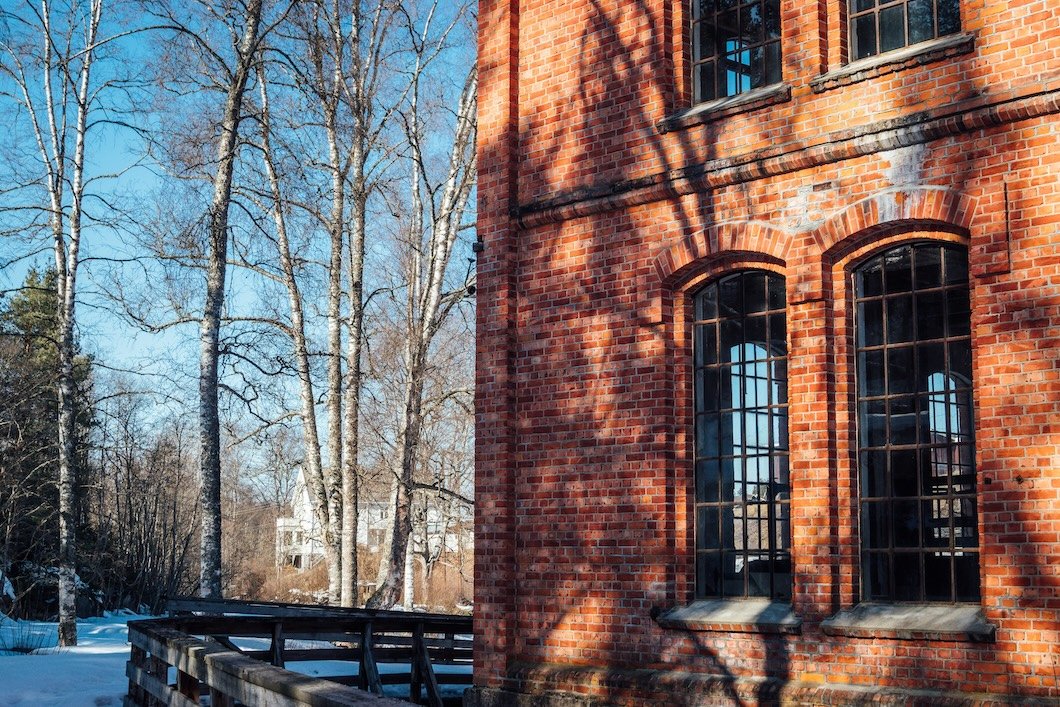
Photo by Theodor Sykes on Unsplash
If you’ve ever lived in a town with real history—brick colonials, old mills turned into homes, streets that feel like they’ve been there forever—you already know: painting brick is not a neutral topic.
This isn’t a “new throw pillows” situation. Painting brick is a commitment.
Painting brick is the kind of decision that turns otherwise normal adults into philosophers.
One group argues brick is sacred: leave it alone, let it age, let it breathe, don’t touch it, don’t even think about it. Another group is standing in the driveway thinking, Okay, but the brick is orange, the mortar is blotchy, the house feels heavy, and I want it to look fresh.
So let’s answer the question honestly:
Yes—you can paint brick.
But the real question is whether you should, and whether you’re prepared for what painting brick actually means long-term.
Because brick isn’t siding. Brick is masonry. It’s porous. It behaves differently. And the consequences of doing it wrong don’t show up immediately… they show up later, quietly, in the form of peeling paint, moisture problems, and regret.
Let’s break down the debate in a way that’s grounded, practical, and (hopefully) less dramatic than your neighborhood Facebook group.
Why People Freak Out About Painted Brick
The emotional argument is easy to understand: brick reads as permanent. It reads as “built to last.” When you paint it, you’re essentially saying: I’m changing the face of something that was meant to stay as-is.
Historic preservation guidance often discourages painting brick that has never been painted before, especially on older buildings, because it changes the original material and the historic character of the structure. Many preservation groups consider unpainted masonry part of the architecture’s identity and not just a surface finish you can swap out like a rug.
And they’re not wrong.
But there’s also a practical truth here: homeowners don’t live in museums. They live in real houses with real maintenance issues, real mismatched additions, real water stains, and real design preferences that change over time.
So the “purist vs. modernizer” fight isn’t totally pointless. It’s just incomplete.
Because the bigger argument—the one that matters most—isn’t about taste.
It’s about moisture.
The Technical Truth: Brick Needs to Breathe
Brick is porous. Mortar is porous. Even if your brick looks rock-solid, it still absorbs and releases moisture. Rain, humidity, and seasonal weather all affect masonry. That’s why preservation professionals constantly repeat the phrase: “Let brick breathe.”
When brick can’t release moisture properly, you can run into problems like:
bubbling or peeling paint
efflorescence (that white, chalky mineral staining)
deteriorating mortar joints
spalling (brick faces flaking or breaking down)
This is especially important in climates with freeze-thaw cycles, because trapped moisture expands when it freezes. Over time, that stress can damage the masonry.
This is why painting brick isn’t automatically “bad”—but it is high-stakes if it’s done wrong, or if the brick is already vulnerable.
When Painting Brick Is Actually a Smart Move
Let’s be fair: there are plenty of situations where painting brick isn’t some design crime. It’s a practical improvement.
Painting brick can be a good option when:
1) The brick has already been painted.
This is the big one. If your brick is already coated, the “don’t touch it” ship has sailed. At that point, maintaining it properly is usually smarter than trying to reverse history.
2) The brick is heavily stained, mismatched, or visually chaotic.
Not all brick is charming. Some brick is blotchy. Some has awkward patchwork repairs. Some has additions from different decades that never matched in the first place. Paint can unify what time has made messy.
3) The home’s architecture benefits from a softer, cleaner look.
Some homes look incredible in painted masonry—especially when the trim, roofline, and landscaping are strong enough to carry it. Painted brick can feel modern, coastal, classic, or European depending on color and finish.
4) You’re trying to brighten an interior brick wall.
Interior brick is another world. A dark red brick fireplace in a small room can feel heavy. A soft whitewash or a light, breathable treatment can open up the space without erasing texture.
When Painting Brick Is a Bad Idea (Or At Least a “Pause”)
Here’s where the warning label comes in.
You should slow down if:
1) The brick is historic and in excellent condition.
If the brick is beautiful, intact, and part of a historic home’s character, painting it is a permanent aesthetic change and one that preservation guidance often discourages.
2) The brick is old, soft, or already failing.
Older masonry can be more fragile than it looks. Paint can accelerate problems if moisture is already moving through the wall incorrectly.
3) You have moisture issues you haven’t solved.
If you’ve got water intrusion, gutter problems, missing flashing, or a damp basement wall on the other side of that brick, painting is not your first move. Fix the source first.
4) You think you’re making a reversible choice.
This is the part people don’t like hearing: painting brick is a commitment. Once paint penetrates masonry, removing it is difficult, expensive, and can damage the surface. Homeowner communities and preservation discussions bring this up constantly, because it’s where “quick upgrade” turns into “why did we do this?” ten years later.
The Middle-Ground Options (For People Who Want Change Without Regret)
If you love the idea of a lighter, updated brick home—but you’re not ready for the permanence of full paint—there are alternatives that often satisfy both the design itch and the brick-respect crowd.
Limewash is one of the most popular. It creates a soft, aged look and tends to be more breathable than conventional exterior paint systems, which is why preservation circles often prefer it over standard coatings.
Brick staining is another option. It changes the tone while keeping the brick texture visible. It can feel more natural than paint if you want the material to still read as brick.
German smear / mortar wash gives a more textured, old-world look. It’s not subtle—but it can be beautiful on the right home.
And honestly? Sometimes the best “brick update” is simply painting everything around the brick: trim, shutters, doors, garage doors, even your exterior lighting. You’d be shocked how modern a brick house can look once the surrounding elements stop fighting it.
If You’re Going to Paint Brick, Do It Like a Professional
Painting brick is not hard because the brush strokes are difficult. It’s hard because the prep and product choices matter more than the paint color.
A professional brick paint approach typically involves:
proper cleaning (without damaging the brick face)
allowing the masonry to fully dry
repairing mortar joints as needed
selecting the right primer and masonry coating system
using finishes that look appropriate (brick rarely wants “shine”)
planning for long-term maintenance, not just the reveal photo
This is also where you want honesty: if a painter treats brick like wood siding, the job may look good for a season… and then start failing.
So… Can You Paint Brick?
Yes.
But the best answer is this:
You can paint brick when the brick is stable, the home suits it, and the system is chosen correctly.
And you should hesitate when the brick is historic, pristine, moisture-sensitive, or when you’re doing it purely because the internet told you it’s “in.”
The reason people argue about brick is because brick represents permanence. It feels like history. It feels like the one thing you’re not supposed to mess with.
But homes are also lived in. They’re cared for. They’re revised. They evolve.
The goal isn’t to win the debate.
The goal is to make a decision you’ll still feel good about five winters from now.
Thinking about painting brick in Fairfield County?
If you’re considering painting a brick exterior—or choosing a limewash or stain alternative—Stanwich Painting can help you evaluate the condition of your brick, the risks, and the right approach for a clean, lasting result.
Call 475-252-9500 or visit online for a free consultation.