
The Surface Remembers: Why Paint Bleeds Through Even When the Color Matches
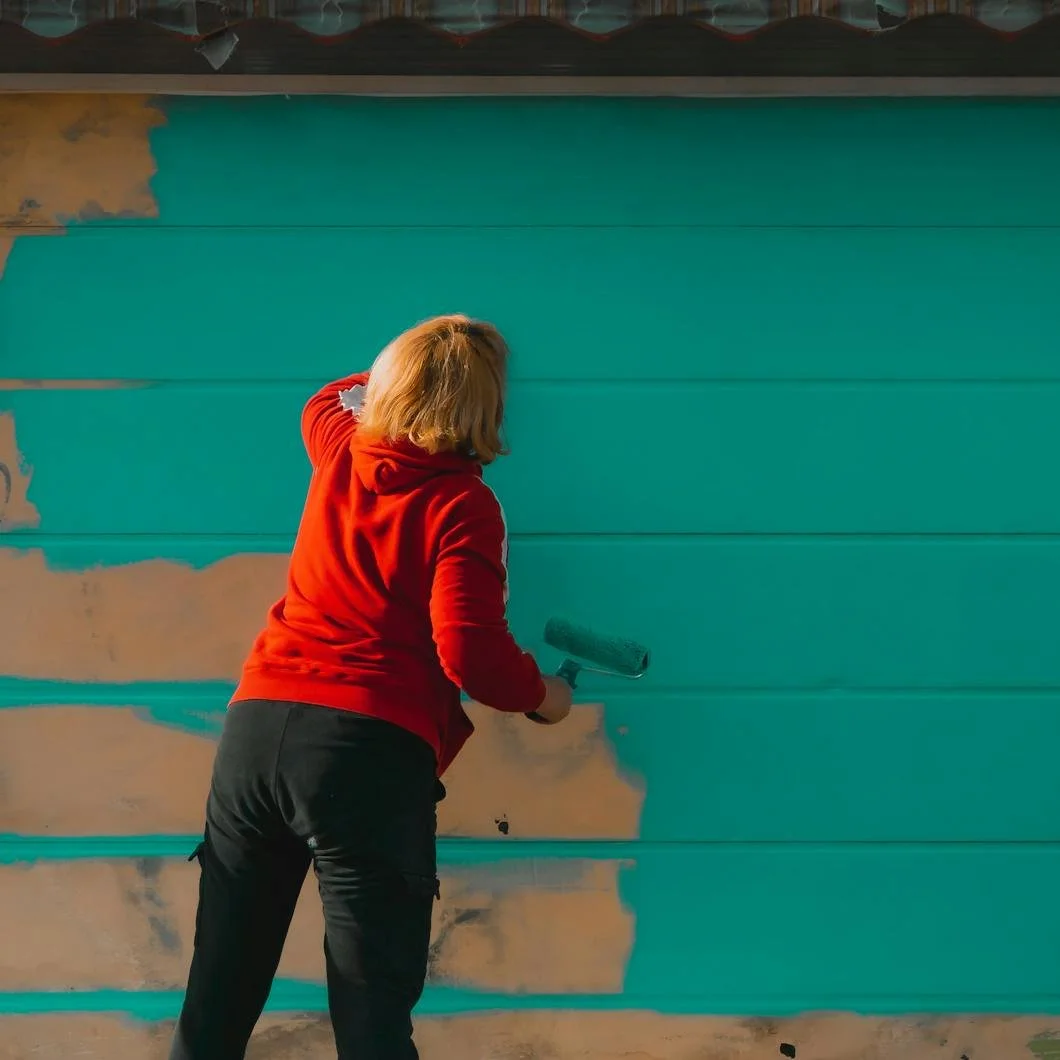
Photo by Lukas Kosc
A paint color can be matched almost instantly: a technician carefully scans the surface to capture the exact hue, then a precise formula is quickly created and a fresh can is mixed to those exact specifications. In practice, the process is swift and efficient, and on paper everything appears neatly solved.
But paint is rarely that simple. A matched color does not automatically mean a matched paint system. It does not guarantee compatibility with what already exists underneath. And it certainly does not erase the history of a surface.
Sometimes a wall, trim board, or section of siding tells you that immediately. The new paint goes on smoothly. The color looks correct. Everything appears clean and finished.
Then, days later, something subtle begins to emerge: a faint shadow, a darker undertone creeping in. Small, uneven areas appear where the old color seems to press back through the fresh finish, as if memory is seeping through the new surface. The paint bleeds through.
This is one of those moments that surprises homeowners because the assumption feels logical: if the color was matched, shouldn’t the result be identical?
Not always.
Paint matching and paint compatibility are two very different things.
Matching the Color Is Only Part of the Story
Modern paint technology makes color matching incredibly precise.
A scanner can capture tone, depth, saturation, and undertones with impressive accuracy. Whether a homeowner is trying to recreate an older wall color, match existing trim, or repaint only a portion of a room or exterior surface, color-matching tools make the process easier than ever.
But a paint color formula only recreates the appearance of the color.
It does not recreate:
The original paint manufacturer
The resin system used in the prior coating
The pigment density
The opacity level
The sheen behavior
How the original paint aged over time
The interaction between the old coating and the new one
Two paints may appear identical on a swatch, yet behave completely differently when applied to an existing surface.
That difference matters more than most homeowners realize.
Why Paint Bleeds Through
Paint bleed-through is not always dramatic. Sometimes it appears subtly.
A darker previous color may ghost through a lighter topcoat. A repaired section may flash differently in sunlight. An older stain may begin to reappear. Wood tannins may migrate upward through fresh paint. In some cases, the issue is not even visible immediately.
The surface seems fine at first.
Then time reveals what the eye missed.
Bleed-through often occurs because the existing surface still contains active material that influences the new coating.
Common causes include:
A dark previous color underneath a lighter repaint
Differences between paint brands or product chemistry
Old stains or water marks resurfacing
Wood tannins bleeding through paint layers
Glossy or sealed surfaces preventing full adhesion
Previous coatings that were never fully stabilized
Thin coverage caused by differences in opacity
Patchwork repairs that absorb paint differently
This is not necessarily a sign of poor paint. More often, it is a sign that the surface needed a different preparation strategy.
Surfaces Carry History
One of the most overlooked truths in painting is that walls and exteriors are rarely blank canvases.
They hold years of decisions because every repaint adds another layer. Every repair changes absorption. Every season leaves its mark.
Interior walls may contain traces of smoke, grease, moisture, old patch compounds, or uneven sheen from years of touch-ups.
Exterior surfaces may carry oxidation, UV exposure, water intrusion, old oils, weathered coatings, or varying levels of porosity.
What looks visually consistent is not always structurally consistent.
This is why professional painters spend so much time evaluating surfaces before the first brush or roller ever touches paint.
The issue is not simply “What color do you want?”
The deeper question is:
“What are we painting over?”
That question changes everything.
Why Brand Differences Matter
Homeowners often assume that if a color formula is recreated, any paint brand will perform the same way.
But paint brands build their products differently. Even when the final color appears identical, manufacturers use different resin technologies, pigment loads, additives, binders, and coverage characteristics.
A matched color created in one paint line may not sit on an older coating the same way another line would.
Different products may:
Dry at different rates
Reflect light differently
Cover unevenly over darker substrates
Build thickness at different levels
React differently to humidity or temperature
Bond differently to existing coatings
This becomes especially important in repaint situations. Touch-ups, partial repaints, additions, trim replacements, and repaired sections all create situations where compatibility matters as much as color.
When Primer Becomes the Real Solution
Primer often gets misunderstood. Many homeowners think of primer as something used only when switching colors dramatically or painting new drywall.
In reality, primer is often a problem-solving layer. A specialty primer creates separation between old and new systems: it stabilizes, seals and blocks because it creates adhesion.
Certain situations call for a more technical approach, particularly when a surface has multiple paint histories or signs of bleed-through.
This is where specialty products can make a significant difference.
For example, primers like Stix from the architectural coatings line of INSL-X are designed for difficult adhesion conditions.
These types of bonding primers are often used when surfaces need an intermediary layer that allows the new coating to perform properly.
Primer is not just an extra step—it is often the layer that prevents problems from returning.
Situations where a specialty primer may be necessary include:
Previously painted glossy trim
Surfaces with uncertain coating history
Wood prone to tannin bleed
Areas with patch repairs or inconsistent absorption
Difficult repaint situations involving multiple paint brands
High-moisture environments
Surfaces that have experienced prior paint failure
The right primer can prevent future staining, improve adhesion, increase uniformity, and reduce the likelihood of color shadowing or bleed-through.
Painting Is Less About Color Than People Think
Color is the visible part of the project. It is the emotional decision. The aesthetic choice. The part homeowners spend time imagining. But long-term paint performance often comes down to what happens before the finish coat ever arrives. Prep work rarely photographs well. Primer is not exciting. Surface evaluation is invisible. Yet these are the stages that determine whether paint looks good for a season or holds up for years. Professional painting is not just about application. It is about interpretation: reading surfaces, recognizing warning signs, and understanding how old materials interact with new products. The best paint jobs are not simply painted: they are carefully diagnosed and prepared so the color you love endures.
The Surface Remembers
Every wall, trim board, and siding panel has a memory: old color layers, past repairs, weather exposure layered on top of different brands from different eras of paint technology.
Those layers do not disappear simply because a new coat goes on top. Sometimes they remain quiet. Sometimes they return.
And sometimes they remind homeowners that painting is not just about what you see.
It is about understanding what came before.
The strongest results happen when the surface is understood first.
Because paint does not exist in isolation. It always responds to what is underneath.
And sometimes, the surface remembers more than expected.
If you are planning an interior or exterior repaint and want to ensure the finish performs as beautifully as it looks, working with a team that understands surface preparation, compatibility, and long-term durability matters.
At Stanwich Painting, every project begins with evaluating not just the color—but the condition beneath it.
Stanwich Painting proudly provides top-quality residential painting services throughout Fairfield County, including: Greenwich, Cos Cob, Riverside, Old Greenwich, Stamford, Darien, New Canaan, and Wilton