
The Summer Bathroom Makeover
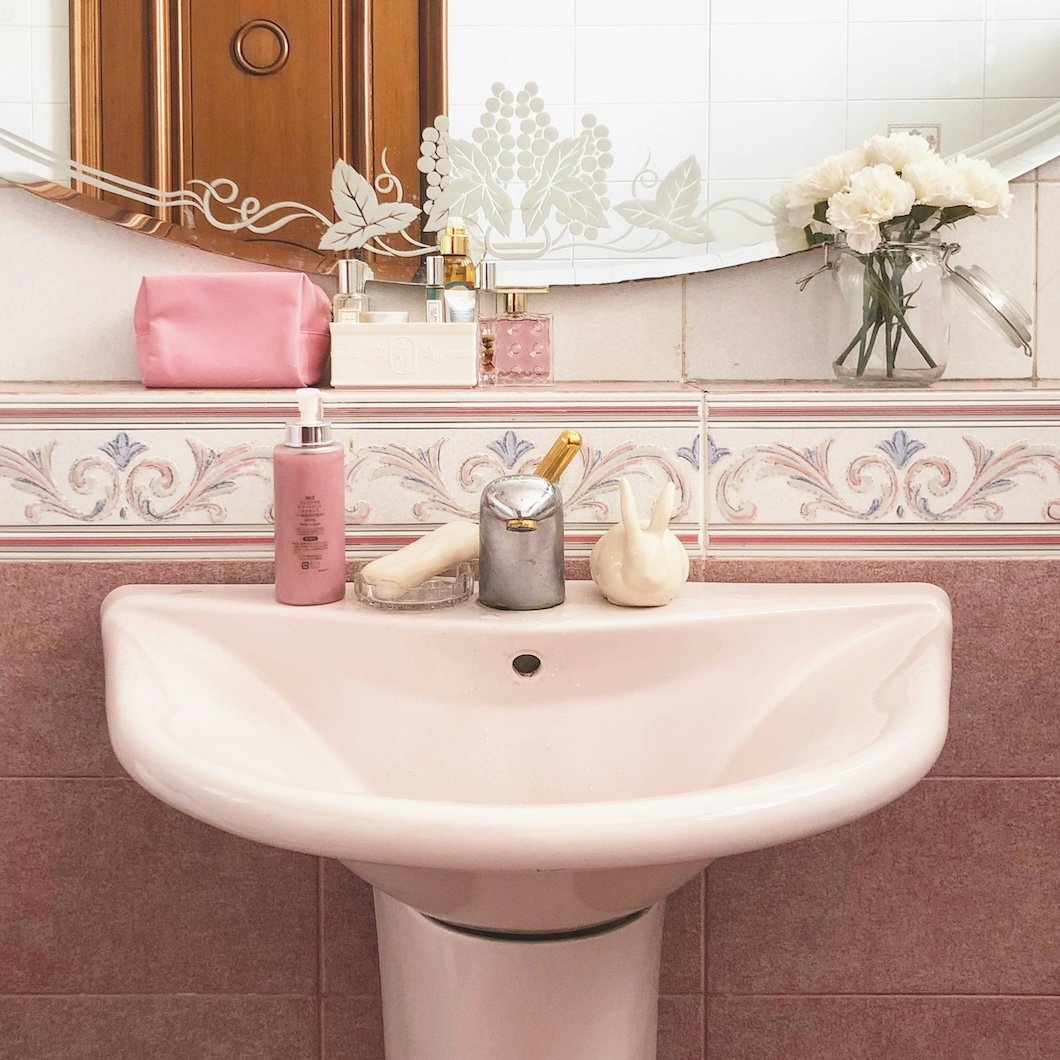
Photo by Celine Lityo on Unsplash
Why the smallest room in the house often needs the smartest paint plan
The bathroom is one of the smallest rooms in the house, but it has a way of revealing when a home needs attention. A peeling ceiling, dull trim, faded walls, moisture marks near the shower, a vanity color that no longer works, and a powder room that feels forgotten may seem like minor details at first, especially compared to larger projects like repainting the exterior, refreshing the kitchen, or updating the main living spaces, but because the bathroom is used every day, small signs of wear rarely stay small for long. Summer has a way of making those signs more noticeable.
As the light shifts and the house begins to feel more open, daily rhythms change in subtle ways. Guests come and go, kids spend more time at home, and humidity quietly builds. Towels linger damp on their hooks, showers run hotter, and windows open while fans work harder to keep the air moving. In this gradual transition, the bathroom that once felt perfectly fine in winter can begin to feel tired, closed-in, or simply overdue for a refresh.
That does not always mean the bathroom needs to be renovated. In many homes, the bathroom does not need tile replacement, new plumbing, or a full remodel. It needs a proper surface refresh. It needs better prep, the right primer, the right paint finish, and a color that changes the feeling of the room without pretending the room is something it is not.
A summer bathroom makeover can be simple, but it should not be careless. Bathrooms are small, but they are technically demanding. They are rooms that cycle through steam, condensation, heat, cooling, ventilation, cleaning products, splashing water, and constant daily use. A paint job that might survive easily in a bedroom or hallway may fail quickly in a bathroom if the surface is not prepared correctly.
This is why bathroom painting should never be treated as a quick color change.
A bathroom tests the painter.
The ceiling may have old peeling paint from years of moisture exposure. The walls may hold soap residue, mildew, or cleaning product film. Trim near the floor may be affected by splashes, condensation, and frequent wiping. The area around the shower or tub may have failing caulk or weak adhesion beneath the existing paint. A vanity may need a different preparation process entirely, especially if it has a factory finish, old oil-based coating, or layers of previous paint.
When these surfaces are rushed, the problem does not disappear. It gets sealed under a fresh coat until moisture finds it again.
That is why prep matters so much in a bathroom.
Before color enters the conversation, the room needs to be evaluated. Any loose or peeling paint should be removed. Surfaces need to be cleaned thoroughly. Glossy areas may need sanding so the new coating can bond properly. Cracks, nail holes, and imperfections should be repaired. Areas with mildew or staining should be addressed before they are painted over. The room should be allowed to dry properly before primer or finish paint is applied.
In a bathroom, paint failure often begins before the first coat goes on.
If the ceiling is already peeling, new paint alone will not solve it. If old moisture damage is not scraped, sanded, sealed, or primed properly, the fresh finish may only be sitting on top of a weak surface. If the wrong primer is used, or no primer is used where one is needed, the bathroom may begin to peel again long before the homeowner expected it.
Primer is not the boring part of the bathroom makeover. In many bathrooms, primer is the reason the makeover lasts.
A specialized primer can help create a stable surface for the finish coat. It can improve adhesion, help seal patched areas, even out porosity, block certain stains, and give the final paint something reliable to hold onto. This is especially important in bathrooms where old paint has failed, where drywall or plaster has been repaired, where stains are present, or where trim and vanity surfaces need extra bonding strength.
The paint should not be asked to solve what the prep and primer failed to address.
Once the surface is ready, the finish matters. Bathrooms used to be associated almost automatically with shinier finishes because homeowners wanted something that could handle moisture and cleaning. Today, there are products designed specifically for bathrooms that can offer durability, mildew resistance, and a softer appearance. That matters because bathrooms are full of hard surfaces: tile, glass, mirrors, stone, metal fixtures, porcelain, and hardware. A finish that is too shiny can sometimes make the room feel harsh, especially in a smaller space with strong overhead lighting.
The goal is balance. A bathroom should feel clean, but not sterile. Fresh, but not cold. Designed, but not overdone. Durable, but not plastic. This is where color becomes more than decoration.
The psychology of a bathroom is different from other rooms in the house. A living room is social. A dining room is shared. A kitchen is active. A bedroom is private and restful. But the bathroom sits somewhere between utility and restoration. It is where people begin the day, end the day, reset, get ready, wash off the heat of summer, prepare for guests, and sometimes steal a few quiet minutes away from the rest of the house.
Because of that, bathroom color should be chosen with mood in mind.
A primary bathroom often benefits from calm, softness, and a sense of ease. A guest bathroom should feel clean, intentional, and welcoming. A children’s bathroom may need durability first, but it can still feel cheerful and fresh. A powder room can often handle more personality because it is smaller, less moisture-heavy, and used in shorter moments. An older bathroom may not need to be forced into a modern look. Sometimes the best color choice honors the age of the room while making it feel cared for again.
So is a summer bathroom makeover really about a summer palette?
Yes, but not in the obvious way.
It does not have to mean seashell colors, beach-house blues, or seasonal decoration. A true summer bathroom palette is about light, air, water, clarity, and relief. It is about making a room feel cooler, cleaner, calmer, and more breathable when the rest of the season brings heat, humidity, movement, and activity.
That may mean a soft white that brightens the room without feeling stark. It may mean a blue that echoes water without becoming themed. It may mean a green that feels quiet and natural. It may mean a warm neutral that works with stone, brass, wood, or older tile. Or, in a powder room, it may mean going darker and more dramatic because the room is small enough to carry it.
The right bathroom color depends on the room’s light, fixtures, tile, flooring, vanity, and use. A color that looks peaceful in a bright primary bath may feel dull in a windowless powder room. A white that looks crisp against marble may look too sharp next to warmer tile. A dark vanity may anchor a pale bathroom beautifully, while a dark wall color may overwhelm a full bath that already lacks natural light.
Paint selection should support the room, not fight it.
For homeowners considering a bathroom refresh, these Benjamin Moore color directions can help frame the decision:
Clean Summer Whites: White Dove OC-17, Chantilly Lace OC-65, Simply White OC-117, and Swiss Coffee OC-45 can help a bathroom feel brighter, cleaner, and more open. These are especially useful when the tile, fixtures, or flooring already carry enough visual weight and the walls need to stay calm.
Spa-Water Blues: Palladian Blue HC-144, Breath of Fresh Air 806, November Skies 2128-50, and Gray Cloud 2126-60 can create a softer, more restorative mood. These colors work well in bathrooms where the goal is calm, freshness, and a subtle connection to water without making the room feel overly coastal.
Soft Greens and Natural Neutrals: October Mist CC-550, Raindance 1572, Revere Pewter HC-172, and Sherwood Tan 1054 can bring warmth, balance, and quiet sophistication. These are strong choices for Fairfield County homes where the bathroom includes natural materials, older architectural details, warm tile, brass fixtures, or wood vanities.
Powder Room Drama: Narragansett Green HC-157, Kendall Charcoal HC-166, Mysterious AF-565, Silhouette AF-655, and New London Burgundy HC-61 can give a powder room more depth and character. Smaller bathrooms do not always need to be pale. In the right space, a richer color can make the room feel finished, memorable, and more intentional.
Color, however, is only one part of the project.
A bathroom makeover succeeds when the entire room is considered together. The ceiling, walls, trim, door, vanity, shelving, and built-ins may each need a different approach. The ceiling may need extra attention because it carries the most visible signs of steam and condensation. Trim may need a more durable finish because it gets touched, cleaned, and splashed. A vanity may require careful sanding, priming, and the right coating system if it is going to hold up to daily use.
This is where a professional paint plan can make a meaningful difference.
A homeowner may see a small room and assume the project is simple. But the smaller the bathroom, the more every detail shows. Uneven patches are obvious. Poor cutting lines stand out around tile and fixtures. Peeling ceilings become impossible to ignore. Wrong sheen choices can change the whole feel of the room. A rushed vanity repaint can chip quickly. A beautiful color can disappoint if the surface beneath it was not prepared correctly.
The bathroom may be small, but it deserves a serious approach.
For homes in Greenwich and throughout Fairfield County, a summer bathroom refresh can be one of the most satisfying interior updates of the season. It does not require the disruption of a full renovation. It does not have to change the entire identity of the home. It can simply take a room that feels tired, humid, faded, or unfinished and bring it back into balance.
The best bathroom makeovers are not only about making the room look better on the first day. They are about helping the room hold up after the shower runs, after the guests leave, after the windows close, after the towels dry, and after daily life returns to normal.
A good bathroom paint project respects the room’s conditions. It begins with proper prep. It uses primer where the surface calls for it. It chooses a finish that can handle moisture and cleaning. It selects color with mood, light, and materials in mind.
And when all of those pieces come together, one of the smallest rooms in the house can make the entire home feel fresher.
Ready For That Summer Bathroom Refresh?
Call 475-252-9500 or Online.
Stanwich Painting proudly provides top-quality residential painting services throughout Fairfield County, including: Greenwich, Cos Cob, Riverside, Old Greenwich, Stamford, Darien, New Canaan, and Wilton