
The Pollen Layer: What Spring Leaves Behind Before the Paint Goes On
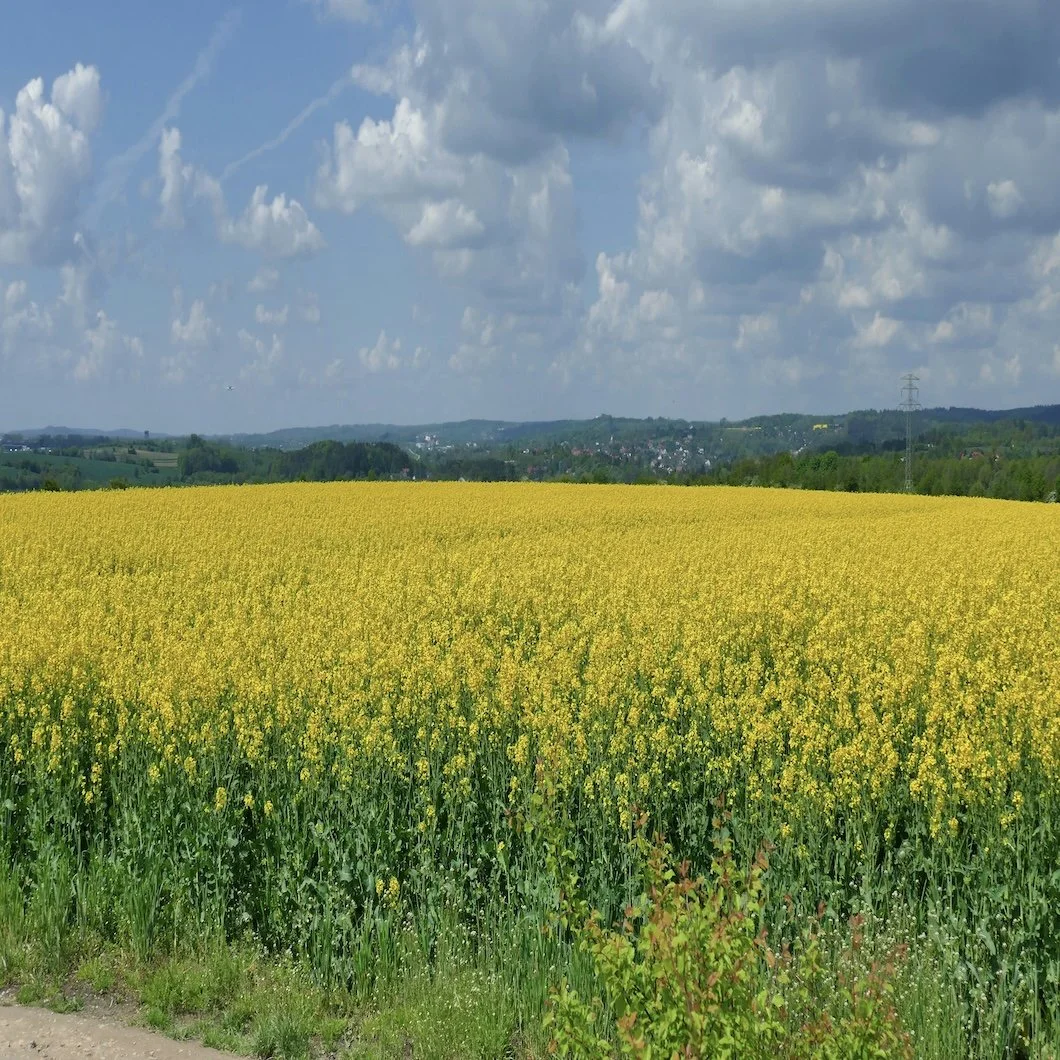
Spring has a way of making a house look newly…awake.
The trees fill in with new leaves. The lawn comes back to life. Gardens begin their slow, steady performance of buds and blooms. Porches return to daily use, windows are opened to fresh air, outdoor furniture is pulled from storage, and the home starts to feel less like a shelter from winter and more like a seamless part of the surrounding landscape again.
And then, almost overnight, everything turns yellow.
The car. The windowsills. The porch railings. The deck boards. The patio table you just cleaned. The front steps. The siding. The shutters…
The places you notice, and the places you do not.
Pollen is one of spring’s most visible reminders that exterior surfaces are constantly collecting what the season leaves behind. It may seem like a temporary nuisance, something to rinse off the windshield or wipe from the outdoor chairs before guests arrive. But for exterior painting, that thin yellow-green film points to a much larger truth: a home’s exterior is rarely as clean or ready as it looks from the driveway.
Before paint can protect, beautify, and last, the surface underneath needs to be properly prepared. That preparation is not cosmetic. It is the foundation of the entire paint job.
Pollen Is More Than a Seasonal Annoyance
Most homeowners recognize the spring pollen layer immediately. It coats everything, especially during stretches of dry weather followed by humidity or light rain. It clings to trim, settles into corners, gathers along ledges, and sticks to surfaces that already hold moisture, dirt, mildew, or chalky residue from older paint.
On its own, pollen may not seem especially dramatic. It is not peeling paint. It is not rotted wood. It is not a crack in the siding or a failed caulk joint. But it is organic material, and organic material has a way of becoming part of the buildup on a home’s exterior.
That buildup can include:
Pollen and tree debris
Dirt and dust carried by wind and rain
Mildew or algae in shaded, damp areas
Chalky residue from aging paint
Loose or flaking paint particles
Staining from gutters, leaves, or moisture
General grime that accumulates over time
This is why exterior painting cannot begin with the assumption that a surface is ready simply because it appears intact. A house may look clean from a distance while still carrying a layer of contamination that can interfere with how well paint bonds.
That is the hidden issue. Paint does not adhere to intention. It adheres to surfaces.
Paint Needs Something Sound to Hold Onto
A good exterior paint system depends on more than color choice, brand, or finish. Those things matter, of course. Premium paint can offer excellent coverage, durability, fade resistance, and protection from the elements. But even the best paint is only as reliable as the surface beneath it.
If the siding, trim, shutters, or porch details are covered with pollen, dirt, mildew, chalking, or loose particles, the paint may not bond the way it should. Instead of attaching to a clean and stable surface, it may be trying to grip a layer of residue.
That can affect the final result in several ways. The finish may not look as smooth. The paint may be more vulnerable to premature peeling or uneven wear. Certain areas may fail faster than others, especially where moisture, shade, or old coating issues were already present.
This is why professional exterior painting is not just the act of applying paint. The visible finish is only the final stage of a much longer process. The real work begins before the first coat goes on.
Why Washing Comes First
Exterior washing is one of the most important preparation steps in a quality paint project. It removes the buildup that naturally collects on a home and gives the painter a clearer understanding of what the surface actually needs.
That does not mean every home should be blasted aggressively with pressure. Proper washing requires judgment. Different surfaces, ages, conditions, and materials require different approaches. Wood siding, painted trim, older homes, delicate details, and areas with existing paint failure all need to be handled carefully.
The goal is not simply to make the house look cleaner. The goal is to create a surface that is ready for inspection, repair, priming, and paint.
When exterior washing is done properly, it helps remove the seasonal and environmental layers that can compromise the work, including pollen, mildew, algae, dirt, chalky residue, and loose surface contaminants. It also helps reveal the home more honestly.
Once the surface is clean, problems become easier to see. Peeling paint stands out. Cracked caulk becomes more obvious. Soft wood, staining, open joints, and worn trim can be identified and addressed before they are sealed beneath fresh paint.
That matters because paint should not be used to hide problems that need preparation. Paint performs best when it is applied over a clean, dry, sound, and properly repaired surface.
Spring Timing Requires Patience
May is one of those months when homeowners start looking at their exteriors with fresh eyes. The weather feels better. The days are longer. Outdoor projects begin to feel urgent. After winter, it is natural to want the house cleaned up, painted, and ready for summer as quickly as possible.
But spring has its own rhythm, and exterior painting needs to respect it.
The major pollen drop can make timing tricky. Paint crews need to consider not only temperature, but also humidity, rain, surface moisture, drying time, and how much debris is still moving through the air. A stretch of pleasant weather may feel like the perfect moment to paint, but if surfaces are coated in pollen or still damp from recent rain, rushing the process can work against the final result.
This is where experience matters. Good exterior painting is not just about finding a warm day. It is about reading the conditions.
A properly timed project considers:
Whether the surface is clean enough for paint
Whether pollen and debris are still accumulating heavily
Whether the material has had time to dry after washing or rain
Whether repairs, sanding, and priming are needed first
Whether shaded areas are holding moisture longer than sunny areas
Whether the forecast allows coatings to cure properly
The best painting work often comes from patience. Not delay for its own sake, but the kind of patience that respects how paint actually performs.
Looking Clean Is Not the Same as Being Paint-Ready
This may be the most important distinction for homeowners to understand.
A house can look fine and still not be ready for paint. From the road, the siding may appear clean. The trim may look only slightly faded. The porch railings may seem solid. But up close, the story can change quickly.
Run a hand along old painted siding and you may find chalky residue. Look near shaded corners and you may see mildew beginning to form. Check horizontal trim and you may find pollen and grime sitting along the edges. Inspect around windows and doors and you may discover cracked caulk, small gaps, or early paint failure that was not obvious at first glance.
Exterior paint prep is the process of closing the gap between “it looks okay” and “it is actually ready.”
That difference matters because painting over a problem does not make the problem disappear. It simply covers it temporarily. Eventually, the surface underneath has its say.
This is especially true for homes with older paint systems, wood trim, detailed exteriors, or areas exposed to shade, moisture, and tree cover. The more environmental buildup a home collects, the more important preparation becomes.
The Finish Begins Beneath the Finish
There is a reason professional painters talk so much about prep. It can sound repetitive from the outside, but it is the part of the project that determines whether the finish has strength behind it.
A beautiful exterior paint job is not only about the final color. It is about everything that happened before that color was applied.
The washing, done thoroughly. The drying, left to set completely. The scraping, removing every loose bit. The sanding, smoothing each surface. The repairs, addressed with care. The priming, applied evenly. The caulking, sealing every joint. The inspection, carried out carefully. The decision not to rush, made intentionally.
These steps are not extras. They are the structure beneath the finish.
For homeowners, this can be easy to overlook because prep work is not always the most dramatic part of the project. A freshly painted exterior is visible. A properly washed and repaired substrate is less obvious. But that less obvious work is often what separates a paint job that looks good for a season from one that continues to perform.
The pollen layer is useful because it makes the invisible visible. It reminds us that homes are always interacting with their environment. They collect what the air carries. They absorb the effects of weather. They reveal, slowly and then suddenly, where maintenance has been deferred.
Spring does not just bring beauty back to the landscape. It also shows what the house has been carrying.
A Cleaner Start for the Season Ahead
By the time May arrives, many homeowners are thinking about summer. They are thinking about outdoor dinners, graduation parties, weekend guests, garden work, porch sitting, and all the small rituals that make a home feel alive again.
That makes spring an ideal time to look closely at the exterior.
Not with panic, but with attention…
Is the paint fading?
Is the trim beginning to peel?
Does the siding feel chalky?
Are shaded areas showing mildew or staining?
Do the railings, shutters, doors, or porch details look worn?
Does the house simply feel like it needs a cleaner, stronger start?
Sometimes the answer is a full exterior repaint. Sometimes it begins with washing, inspection, and targeted preparation. Either way, the principle is the same: the home needs to be properly read before it is repainted.
At Stanwich Painting, we believe the quality of an exterior finish begins long before the first coat goes on. Spring pollen may be temporary, but it points to something lasting: paint performs best when the surface beneath it has been cleaned, prepared, repaired, and treated with care.
Because the finish everyone sees is only as strong as the preparation they do not.
If your home’s exterior is showing the effects of spring buildup, fading paint, worn trim, or seasonal residue, Stanwich Painting can help prepare the surface properly before painting begins. Contact us to schedule an exterior painting consultation and give your home a cleaner, stronger foundation for the season ahead.
Stanwich Painting proudly provides top-quality residential painting services throughout Fairfield County, including: Greenwich, Cos Cob, Riverside, Old Greenwich, Stamford, Darien, New Canaan, and Wilton