
How to Paint Small Rooms So They Feel Intentional, Not Cramped
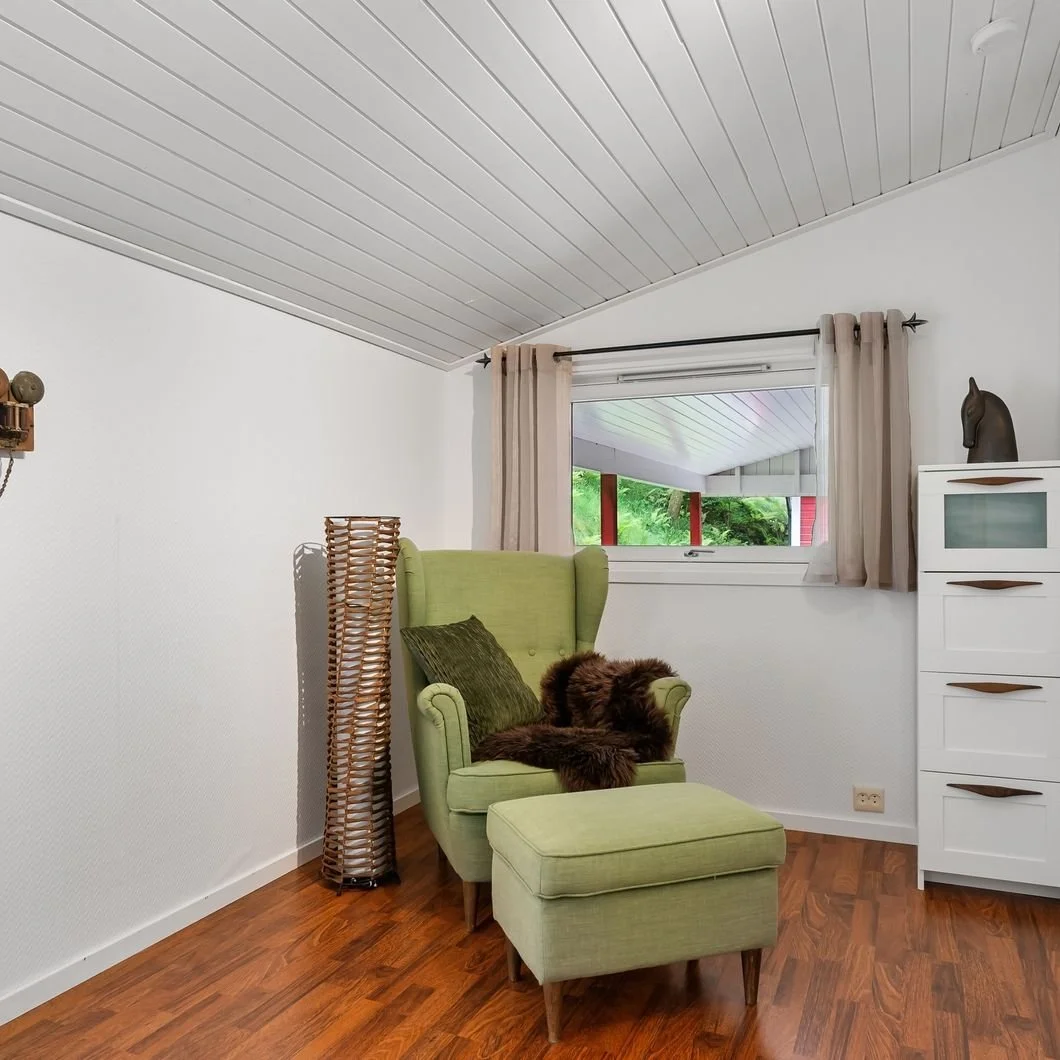
Photo by Lisa Anna
When you find yourself working with a small room, paint quickly becomes one of the most noticeable elements in the space.
In a large living room or open kitchen, color has room to breathe. Light moves across wider walls. Furniture creates rhythm. The architecture has enough scale to help carry the space. But in a small bedroom, studio apartment, home office, powder room, hallway, or awkward third-floor room, every paint decision becomes more noticeable.
The wall color matters. The ceiling matters. The trim matters. The finish matters. Even the way one room transitions into the next can change whether a small space feels charming and deliberate, or boxed-in and unfinished.
That is why painting a small room is not only about making it look bigger.
Sometimes, yes, the goal is to make a compact space feel lighter, brighter, and more open. But not every small room needs to pretend it is larger than it is. Some small rooms are at their best when they feel cozy, moody, tailored, or jewel-box-like. Some need quiet. Some need personality. Some need a little visual discipline so they stop feeling like the room nobody knows what to do with.
A small room does not always need to look larger. Sometimes it needs to feel more intentional.
That is the better starting point.
Instead of asking, “What color will make this room look bigger?” ask, “What should this room feel like when I walk into it?” That question is useful whether you own a home in Fairfield County, rent a studio apartment, are refreshing a guest room, or are trying to make a tiny home office feel less like an afterthought.
Paint is one of the few design tools that can change the emotional temperature of a room quickly. It can lift the ceiling, soften the corners, create depth, brighten a dark space, or turn a forgotten room into a feature. In smaller spaces, that power becomes even more important because there are fewer distractions. The paint has to do more of the work.
Small Rooms Do Not Have to Be White
The old advice is familiar: if the room is small, paint it white.
There is some truth there. Light colors can make a small room feel more open, especially if the room has decent natural light, simple furnishings, and a clean trim strategy. A soft white, pale gray, gentle blue, or warm off-white can blur the edges of a room and make it feel calmer.
But white is not magic.
A small white room with poor lighting, cold flooring, cluttered furniture, and no texture can feel plain, unfinished, or even harsh. White paint reflects what is already in the room. If the light is beautiful, white can look airy and elegant. If the light is flat or gray, the same white can feel dull. If the furnishings are warm and layered, white can feel fresh. If everything else is temporary or mismatched, white can make the room feel even more unsettled.
This is especially true in apartments and small multifunctional spaces. A studio apartment painted in a stark white may feel larger, but it may also feel less defined. When the bed, desk, sofa, dining table, and storage all live in one space, color can help create zones. A slightly warmer wall color, a painted alcove, or a deeper tone behind shelving can make the room feel more designed without making it feel smaller.
The goal is not simply brightness. The goal is balance.
Decide Whether the Room Should Expand or Embrace
Some rooms need to expand. These are the spaces where you want more air, more light, and less visual weight. A small bedroom, compact living room, narrow hallway, studio apartment, or home office may benefit from a lighter palette that allows the eye to move easily.
Other rooms can embrace their size. A powder room, reading nook, dressing room, den, guest bedroom, or moody hallway may not need to feel open. In fact, trying to make it feel larger may make it less interesting. These are the rooms where deeper colors can work beautifully because they create atmosphere.
This is where many homeowners and renters get stuck. They assume dark paint will automatically make a small room feel smaller. Sometimes it does. But sometimes a dark color makes the room feel more resolved. If the room is already low-light, a pale color may not brighten it as much as expected. Instead, it can look shadowy and thin. A richer color can lean into the intimacy of the room and make it feel intentional.
A deep green powder room can feel elegant. A charcoal office can feel focused. A wine-colored guest room can feel warm and enveloping. A blue-gray studio wall can create a sense of calm and separation. The room may not look larger, but it may feel better.
That distinction matters.
The Ceiling Is Part of the Room
In small rooms, the ceiling cannot be ignored.
A ceiling painted bright white by default can work, but it can also create a hard visual stop. If the walls are warm and the ceiling is too cool, the room may feel chopped up. If the walls are dark and the ceiling is stark white, the contrast may make the room feel shorter or more abrupt.
There are several ways to handle a small-room ceiling well.
A lighter ceiling can help lift the space, especially when the walls are midtone or neutral. A ceiling painted in a softer version of the wall color can make the room feel more seamless. A color-drenched ceiling, where the walls and ceiling are painted the same color, can be beautiful in a powder room, study, small bedroom, or hallway because it removes the sharp boundary between wall and ceiling.
This does not mean every small room should be painted from floor to ceiling in one color. But it does mean the ceiling should be a decision, not an afterthought.
Trim Can Make a Small Room Feel Calmer
Trim is another important part of small-space painting.
High-contrast white trim can be crisp and classic, but in a small room it can also create a lot of visual lines. Every window, doorframe, baseboard, and casing becomes outlined. That can make the room feel busier.
Lower-contrast trim often feels softer. Painting trim in the same color as the walls, or in a closely related tone, can make a small space feel more expansive and less interrupted. This approach works especially well in bedrooms, hallways, offices, and small living spaces where calm is the goal.
For a more tailored look, darker trim can also be effective. A small room with warm neutral walls and deeper mushroom or charcoal trim can feel architectural. A studio apartment with a painted door or built-in shelving can gain character without requiring a full renovation.
Again, the key is intention. White trim is not wrong. It just should not be automatic.
Paint Colors to Consider for Small Rooms
Every room needs to be tested in its own light, but these Benjamin Moore colors offer a helpful starting point for small spaces, apartments, offices, guest rooms, and multifunctional rooms.
Light and Airy Small Rooms
Cloud Cover 855 — a soft, clean off-white that can help a small room feel fresh without feeling stark.
Glass Slipper 1632 — a pale blue-gray that brings a quiet, airy feeling to bedrooms, bathrooms, or compact offices.
Pale Oak OC-20 — a warm, subtle neutral that can soften a small room without making it feel yellow.
Horizon OC-53 — a gentle gray that works well when you want a small room to feel calm and open.
Warm Small Rooms That Should Not Feel White
White Dove OC-17 — a classic warm white that works beautifully with trim, older homes, and softer interiors.
Edgecomb Gray HC-173 — a warm greige that gives a small room more body than white while still staying light.
Swiss Coffee OC-45 — creamy and warm, especially useful when a room needs softness rather than sharp brightness.
Muslin OC-12 — a warm neutral that can make a small space feel relaxed, layered, and comfortable.
Moody Small Rooms
Wenge AF-180 — a deep brown-black that can create a rich, dramatic effect in a powder room, office, or small den.
Vintage Wine 2116-20 — a deep wine shade that brings warmth and personality to a compact room.
Hunter Green 2041-10 — a saturated green that can make a small room feel confident and designed.
French Beret 1610 — a deep charcoal-navy that feels tailored, modern, and quietly dramatic.
Studio Apartments and Multifunctional Spaces
Revere Pewter HC-172 — a balanced greige that can help connect several living zones in one open space.
Healing Aloe 1562 — a soft blue-green that can make a studio feel calmer and more breathable.
Solitude AF-545 — a muted blue-gray that creates definition without overwhelming a small room.
Aegean Teal 2136-40 — a richer blue-green that can work beautifully as a feature wall, sleeping nook, or built-in color.
Small Spaces Are Design Opportunities
One of the best things about small rooms is that they can handle a little imagination.
A large open living space often needs restraint because the color has to carry across a lot of square footage. A small room, on the other hand, can become a place to experiment. Paint lets a powder room take on bold, unexpected color that delights visitors. In a studio apartment, carefully chosen hues and accent walls create distinct zones for sleeping, cooking, and living without losing openness. A hallway warmed with richer tones or a subtle ombré invites you through the home instead of merely connecting rooms. A tiny office painted in a focused, calming palette feels larger and more productive. Even a guest room can be transformed from an afterthought into a cozy retreat with layered neutrals, an accent wall, or a soothing monochrome scheme that welcomes overnight stays.
For renters, paint can be especially powerful because it gives a sense of control. You may not be able to change the floor, windows, cabinets, or layout. But with permission from the landlord or within the terms of the lease, paint can change the way the space feels. Even one carefully chosen wall, a painted alcove, or a warmer neutral throughout can make an apartment feel less temporary.
For homeowners, small rooms are often where the house reveals its unfinished corners. These are the spaces that get ignored because they are not the main living room, kitchen, or primary bedroom. But a thoughtful paint choice can make those smaller rooms feel connected to the rest of the home.
That is the real value of painting a small room well.
It is not just about square footage—it’s about mood, purpose, and proportion.
A small room can be bright or dark. It can be soft, bold, warm, cool, quiet, playful, or elegant. What it should not feel is accidental.
With the right color, finish, trim strategy, ceiling decision, and preparation, even the smallest room can feel like it belongs.
Have a small room that never feels quite right? Stanwich Painting can help you choose the right color, finish, trim strategy, and preparation approach so the space feels intentional instead of overlooked.
Stanwich Painting proudly provides top-quality residential painting services throughout Fairfield County, including: Greenwich, Cos Cob, Riverside, Old Greenwich, Stamford, Darien, New Canaan, and Wilton