
The Bar, Rebuilt: Why We’re Recreating the Places We Used to Go
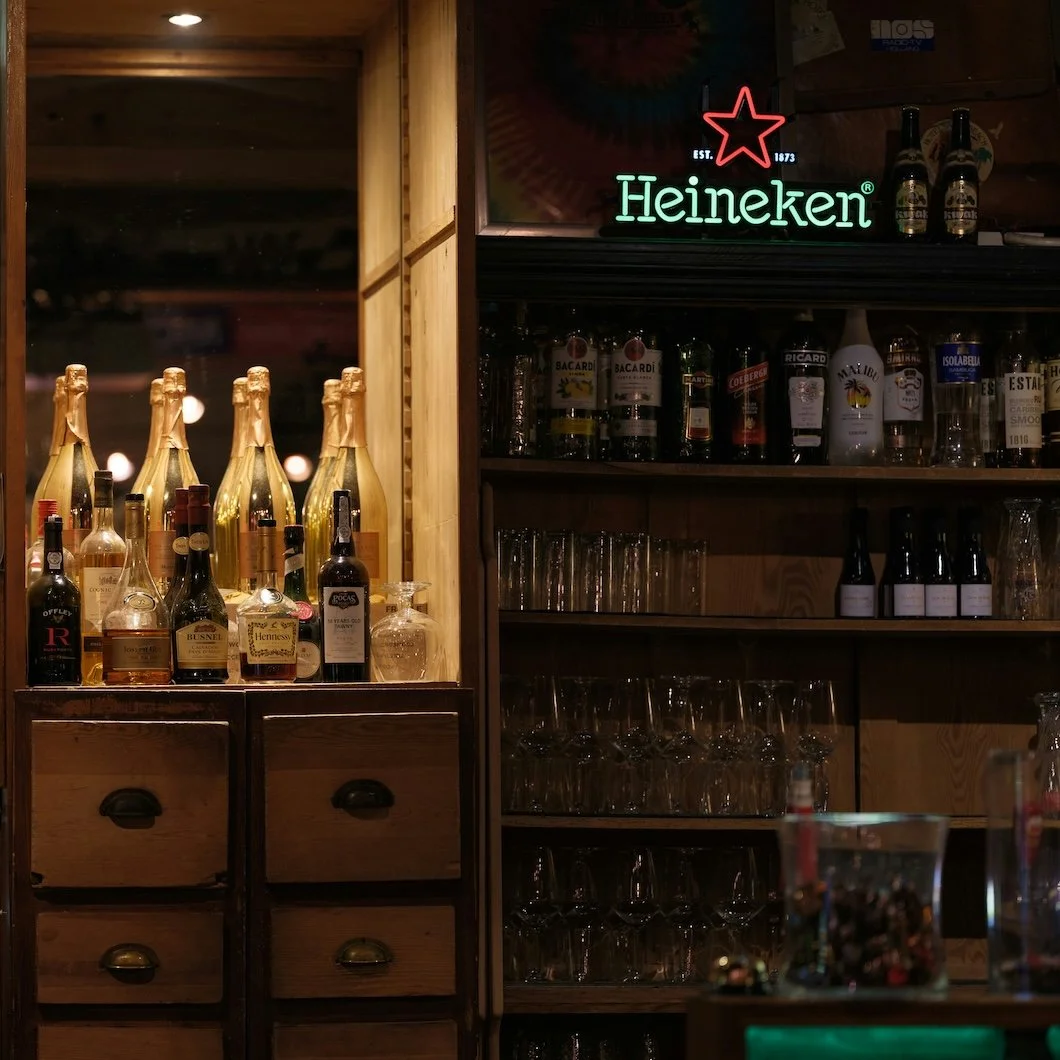
Photo by Haberdoedas on Unsplash
There was a time when you didn’t have to think too much about where the day would end. It wasn’t always planned. It didn’t need to be new. It didn’t even need to be particularly good. It just needed to be there. A place you could return to without effort. The same corner, the same light, the same rhythm unfolding in roughly the same way, night after night. You weren’t going for variety. You weren’t going for discovery.
You were going because it held something steady.
And for a long time, that was enough.
Somewhere along the way, that kind of place became harder to find. Not gone, exactly—but less common. Spaces grew louder. Faster. More designed to be experienced than returned to. Even the well-designed ones seemed to prioritize movement—people coming in, people moving through, people leaving—over the quieter idea of staying.
The bar, in its simplest form, shifted from something familiar to something you visited.
And while that change brought its own kind of energy, it left behind something quieter. Something less visible, but still felt.
Because the need for that kind of place never really disappeared.
It just…relocated.
More and more, that function is being rebuilt—not publicly, but privately. Not as a statement, but as a correction.
In homes across Greenwich, Darien, New Canaan, and the surrounding shoreline towns, you can see it taking shape in subtle ways. A section of millwork that feels slightly more considered than it needs to be. A corner of a room that holds a different kind of light. A space that seems to exist for a particular time of day, even if no one has explicitly said so.
Recently, in ski communities, some homeowners have gone further—building full après-ski-style bars within their homes. Not as a novelty, but as a response. Crowded venues, inconsistent experiences, the sense that the place you want to go doesn’t quite exist in the way it used to.
So they build it themselves.
And what’s interesting is not the scale of these spaces, or even the investment behind them. It’s how quickly they become central. Not because they’re impressive, but because they work. Because they hold the moment people are looking for-the one that happens somewhere between the end of the day and the beginning of the night.
The name doesn’t seem to matter much.
In some homes, it’s a bar. In others, it’s not called anything at all. It might be a built-in. A nook. A room that feels slightly removed without being separate. A place you don’t necessarily notice right away, but find yourself returning to once you’ve used it.
A place that signals, quietly, that the day is over.
The older version of the home bar often leaned toward display. It was something you showed. Rows of bottles, open shelving, a certain kind of visual language that made it clear what the space was for.
What’s replacing it feels different: more contained, more integrated and less interested in announcing itself. These spaces aren’t built for a crowd. Not loud, not neon-lit, not performative. They’re built for a smaller scale of interaction—two people, maybe four. Conversations that don’t have to compete with anything else in the room. Time that stretches a little, rather than compresses.
The best versions don’t try to impress you. They make it easier to stay. And that, more than anything, is what defines them.
Not what’s in the space—but what happens inside it.
The lighting tends to be softer, and more deliberate. Not dim for the sake of mood, but controlled in a way that removes the edge from the room. Materials carry a bit more weight—wood, metal, glass—but they’re used with restraint. Surfaces absorb rather than reflect. Sound settles.
Nothing is pushing you forward. The space holds you where you are.
This is where paint begins to matter in a different way.
Not as color, exactly—but as atmosphere.
A darker palette has a way of pulling a room inward, creating a kind of quiet gravity. Deep greens, softened charcoals, muted browns—tones that don’t flatten under artificial light, but deepen slightly, becoming more present as the evening sets in.
In a space like this, that shift matters. It changes how long you stay. How you sit. How the conversation moves.
Lighter palettes can work just as well, but they behave differently. A softened green, a warm neutral, a lightly pigmented blue—colors that carry daylight without losing themselves as it fades. These spaces tend to feel more transitional, less enclosed. Still intentional, but less anchored.
Neither approach is betterThey simply do different things.
And in many homes, especially throughout Riverside, Old Greenwich, Stamford, and Wilton, the most effective spaces aren’t defined by contrast, but by continuity. A palette that moves gently from one room to the next, allowing this space—whatever you choose to call it—to feel like part of the home’s natural rhythm, rather than an interruption of it.
What’s most noticeable, in the end, is what’s missing: less display, less need to fill every surface and less emphasis on showing what the space contains. There’s a kind of editing that takes place.
Storage becomes quieter. Materials are chosen for how they age, not how they present. The palette settles into something that feels less like a decision and more like a condition.
This doesn’t make the space feel minimal. It makes it feel usable.
And somewhere in all of this, the original idea begins to come back into focus.
Not in its exact form—but in its function.
A place you return to. A place that doesn’t require explanation. A place that exists for a particular moment in the day—and does that one thing well.
We’re not bringing the bar home. We’re rebuilding the idea of the bar, piece by piece, in a way that fits how we live now. Not as a feature, but as a place.
Not every room needs to work all the time. Some are meant to be arrived at. To hold a certain hour. A certain pace. A certain kind of conversation that doesn’t happen elsewhere.
And increasingly, those spaces aren’t found down the street. They’re found in our homes.
Ready to Help
If you’re considering how a space in your home might better support this kind of transition—whether through layout, atmosphere, or simply a shift in how it feels—paint often plays a quiet but important role in shaping the experience.
At Stanwich Painting, every project begins with a detailed estimate that outlines surface preparation, materials, and the overall process before work begins. That clarity helps ensure the finished result feels intentional, cohesive, and built to last.
Call 475-252-9500 or online for your free consultation.
Stanwich Painting proudly provides top-quality residential painting services throughout Fairfield County, including: Greenwich, Cos Cob, Riverside, Old Greenwich, Stamford, Darien, New Canaan, and Wilton
Further ReadingAprès-Ski, Minus the Crowds? These Homeowners Built Their Own Bars (Wall Street Journal feature)
Expands on how these spaces often become central to the home—functioning more like a fireplace or kitchen than a novelty feature, anchoring how people gather and unwind. Read full feature27 Home Bar Ideas Worth Toasting
While more design-focused, this piece shows how bars have moved out of basements and into primary living spaces—becoming integrated, intentional parts of the home rather than separate entertainment zones. Read article