
Presidential Palettes: How American History Still Shapes Interior Color Today
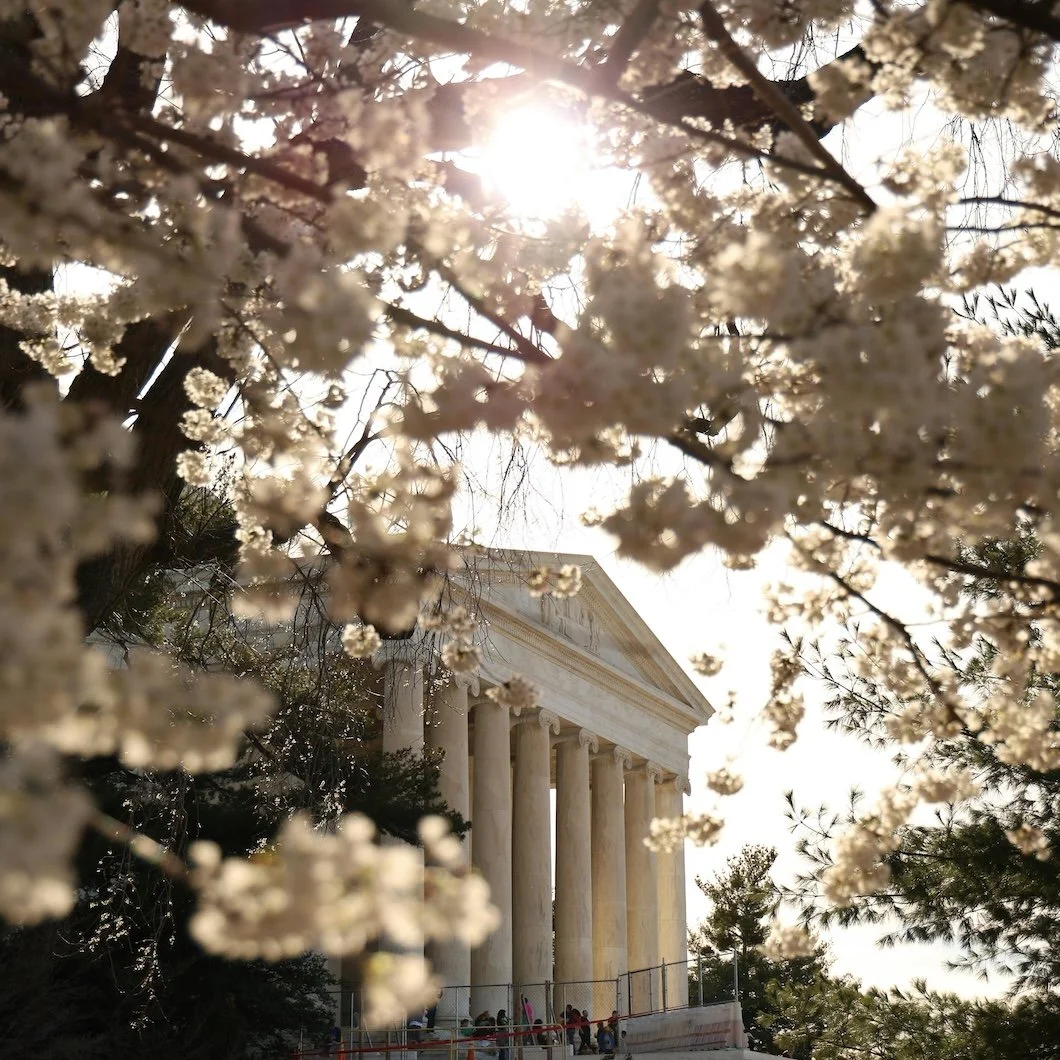
Photo by MATRIX photography
Presidents’ Day has a way of stirring a particular kind of reflection. Not the loud, fireworks-and-parades version of patriotism, but the quieter kind. The kind that lives in old photographs. In inherited homes. In the subtle continuity of things that were built to last.
Long before paint colors were marketed as “trends,” American interiors were shaped by shared cultural ideals: order, restraint, craftsmanship, optimism, and a deep belief in the dignity of the home as a private refuge. Those ideals quietly informed the colors people lived with—what felt appropriate, respectable, comforting, or forward-looking.
Today, many of the most enduring interior palettes still trace their roots back to those early American design eras. Not as replicas. Not as museum pieces. But as softened, modern interpretations that continue to feel right in real homes.
This Presidents’ Day, we’re exploring a few of those foundational color traditions—and how they still influence the way we design and paint interiors today.
Federal & Early American: Colors of Order and Quiet Authority
Early American interiors were shaped by a young nation’s desire for legitimacy, permanence, and structure. Homes favored symmetry and proportion. Color was not decorative in the modern sense, instead it was architectural. It existed to support form, not compete with it.
Walls were often cloaked in:
Deep forest and hunter greens
Iron and navy blues
Brick and oxblood reds
Warm ivories and soft stone whites
These hues conveyed seriousness and stability. They grounded a space and suggested permanence rather than novelty.
What’s remarkable is how effortlessly these tones still work today.
In modern homes, Federal-era inspired colors tend to feel especially at home in:
Dining rooms
Libraries and studies
Primary bedrooms
Formal living spaces
They create rooms that feel anchored and composed—never loud, never rushed.
Many heritage-inspired shades from Benjamin Moore and Sherwin-Williams draw directly from this lineage: deep greens with complex undertones, navy blues that feel soft rather than sharp, and warm whites that avoid sterility.
Used thoughtfully, these colors bring a sense of quiet authority that feels both historic and deeply contemporary.
The Craftsman & Progressive Era: Warmth, Honesty, and Human Scale
As America moved into the early 20th century, the pendulum swung away from formality and toward warmth and livability. The Arts & Crafts movement emphasized visible craftsmanship, natural materials, and honest construction.
Color followed suit.
Palettes became earthier, softer, and more grounded:
Mossy and olive greens
Clay and terracotta browns
Muted golds and ochres
Smoky taupes and warm grays
These colors weren’t meant to impress. They were meant to support everyday life.
Today, these tones excel in:
Family rooms
Kitchens
Breakfast nooks
Transitional spaces that bridge old and new
They create interiors that feel welcoming without feeling precious.
One of the keys to using these colors successfully is restraint. Modern versions tend to look best when:
Saturation is slightly softened
Finishes lean matte or eggshell
Trim remains warm rather than stark
This keeps earthy palettes from drifting into heaviness or muddiness.
Mid-Century America: Optimism in Soft Color
Postwar America brought a different emotional register into the home. There was a collective sense of forward motion. Interiors lightened. Spaces opened up. Color became airier and more optimistic.
Common tones included:
Warm, creamy whites
Pale blues and aquas
Muted teals
Soft yellow undertones
These colors reflected a belief in progress without abandoning comfort.
In contemporary homes, mid-century inspired palettes shine in:
Kitchens
Sunrooms
Guest rooms
Casual living spaces
They introduce lightness without feeling cold.
Modern interpretations from Farrow & Ball and other premium lines tend to favor complexity—colors that shift slightly with light rather than sitting flat. This gives soft hues depth and longevity.
When paired with natural wood, stone, or warm metals, these palettes feel timeless rather than retro.
The American Throughline
Across these eras, a consistent philosophy emerges:
Colors are grounded, not flashy
Saturation is controlled
Livability matters more than spectacle
American interior color traditions have always leaned toward restraint. That restraint is precisely why these palettes continue to resonate in a world saturated with fast trends. They offer a sense of visual calm that ages gracefully while maintaining a home’s architecture instead of competing with it.
In many ways, they mirror the larger idea behind enduring American institutions: quiet strength over showy performance.
Translating Historic Palettes for Today’s Homes
Bringing historically rooted colors into a modern interior doesn’t require recreating the past. It requires understanding the spirit behind it.
A few guiding principles:
Choose one or two anchor colors per floor rather than many competing hues
Let trim stay slightly warmer than wall color for depth
Favor lower-sheen finishes for richer color expression
Consider natural and artificial light carefully—undertones matter more than ever
The goal isn’t authenticity…It’s continuity. You’re borrowing a visual language and speaking it in a modern dialect.
A Stanwich Painting Perspective
At Stanwich Painting, we spend a lot of time helping Fairfield County homeowners navigate this balance while honoring architectural character to create spaces that feel current and personal.
That process starts long before the first coat of paint:
Careful surface preparation
Thoughtful product selection
Testing colors in real lighting conditions
Matching finishes to both function and atmosphere
Historic-inspired palettes demand precision. Small shifts in undertone or sheen can dramatically change how a color reads. Getting those details right is what transforms a good color into a great room.
A Quiet Invitation
Presidents’ Day is, at its core, about continuity. About the long arc of ideas that shape a culture.
The same is true of the best interior colors: they don’t shout or chase attention; instead, they quietly support the life unfolding inside the home.
If you’re considering refreshing your interior with a palette that feels rooted, livable, and timeless, Stanwich Painting would be happy to help you explore the possibilities.
Sometimes the most meaningful updates aren’t about what’s new—they’re about remembering what has always worked.
At Stanwich Painting, we believe the best colors aren’t chosen from trends—they’re chosen from understanding. If you’re considering a palette that feels timeless, grounded, and uniquely yours, we’d love to help you explore the possibilities.