
The House Has Been Waiting: Loving an Old Home Beyond Nostalgia
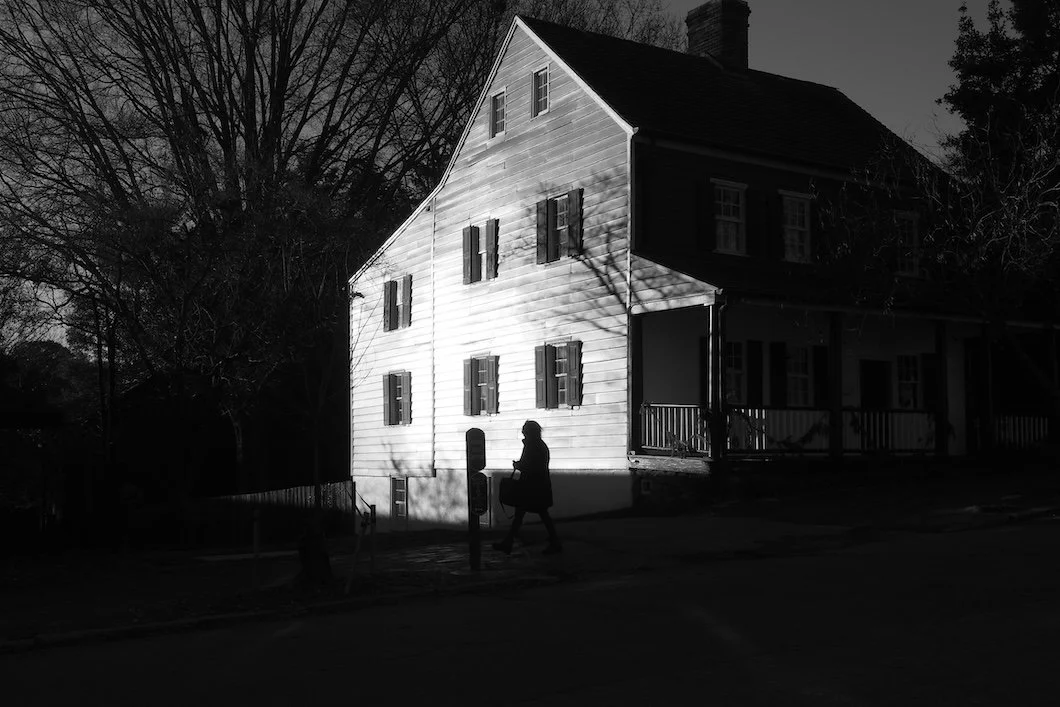
Photo by Johannes Beilharz on Unsplash
There is a specific kind of person who can look at a listing for a 140-year-old house with peeling trim, cracked plaster, uneven floors, a questionable third-floor bedroom, and wallpaper that may or may not be holding the wall together, and exclaim:
“Someone has to save it!”
And honestly, we kinda understand.
Old houses have a way of making practical people…unreasonable. A newer home may offer better closets, straighter walls, modern wiring, and fewer mysterious doors that open into spaces no one can fully explain. But an old house has something…else. It has presence. It has staircases that creak with confidence. It has woodwork that was not installed in a hurry. It has rooms with proportions that feel human, even when the floor slopes a little and the windows are doing whatever old windows do in February.
Some people see peeling paint and structural concern. Others see original millwork, a tragic little pantry, three fireplaces, and a future Christmas card.
There is romance in that. Real romance.
The trouble begins when romance turns into…well, let’s be honest: straight-on denial.
Because old houses do deserve love. They deserve imagination, patience, restraint, and respect. But they also deserve maintenance. They deserve dry walls, protected trim, sealed exteriors, repaired plaster, properly prepared surfaces, and paint that is doing more than simply keeping up appearances.
Nostalgia can help us see the beauty in an old home, but it can also soften our eyesight when the house is asking for care.
The Romance Is Real
Anyone who loves old houses knows the feeling…
You walk into a room and immediately sense that it has lived several lives before you. Maybe there is wainscoting with the kind of profile no one bothers to mill anymore. Maybe the stair rail has been touched by generations of hands. Maybe the plaster walls are slightly uneven in a way that catches the light beautifully, the floors are worn in the right places, and the house has that quiet, difficult-to-name quality that makes modern perfection feel a little sterile by comparison—
Oh!
And the doors?
Those doors! Those sold, beautiful, ornately carved remnants of craftsmanship…
Excuse us.
We were temporarily swept-up in nostalgic charms.
Yes, old homes often carry the evidence of time in ways that are genuinely beautiful. A little unevenness can make a room feel warmer. Original trim can give even a simple hallway a sense of importance. Old glass can soften the view outside. A worn threshold can feel like memory made visible.
These details are worth protecting. They are the reason people fall in love with older homes in the first place.
But loving an old house means learning how to tell the difference between character and deterioration.
Patina and Neglect Are Not the Same Thing
Patina is what age gives a house when time has been kind, or at least interesting. It is the soft wear on a banister, the mellowing of old wood, the depth in plaster, the slight irregularity of hand-finished surfaces, the way a room feels settled because it has not been stripped of every trace of its past.
Neglect is different.
Neglect is peeling exterior paint that has stopped protecting the wood underneath. It is moisture staining that keeps spreading. It is cracked plaster that may be telling a larger story. It is caulk that has failed around windows and trim. It is painted surfaces that have chalked, blistered, or opened themselves to weather. And decades of old wallpaper trapping all sorts of mysteries underneath.
Patina tells a story, while neglect keeps causing damage.
That is the distinction old-house lovers have to hold carefully. The goal is not to erase every sign of age. A house with history should not be made to feel plastic, flattened, or brand new in the wrong way. But letting failure continue because it feels romantic does not honor the house. It only leaves the next layer of damage for someone else to uncover.
Romance is allowed. Denial? Not so much.
Paint Is Not Just Cosmetic
Paint is sometimes dismissed as the easy part of home improvement, the final decorative layer after the “real” work is done. But in an old house, paint is often one of the ways the home is allowed to continue.
On the exterior, paint protects wood, trim, siding, doors, shutters, porches, railings, and architectural details from weather. When a coating fails, moisture gets more opportunity. Once moisture enters, the problem is no longer only visual. Peeling paint may begin as an aesthetic issue, but left alone, it can become rot, swelling, cracking, or more extensive repair.
Inside, paint brings order back to surfaces that may have accumulated decades of patching, staining, scuffing, wallpaper removal, color changes, and imperfect repairs. A thoughtful interior repaint can make an old room feel calm again without making it feel new in the wrong way. It can clarify trim, soften plaster, brighten a hallway, warm a bedroom, or make a long-neglected sitting room feel like it belongs to the present life of the home.
This is where restraint matters.
Painting an old house well does not mean imposing a trend on it. It does not mean making every room white, removing every quirk, or pretending the house was built last year. It means asking what the house is trying to be now, and how paint can support that rather than cover it up.
A good paint project can protect the surfaces that carry history. It can clarify the architecture. It can make the home feel cared for without stripping away the qualities that made it worth caring about.
The House May Not Need a Transformation
Old houses often attract dramatic language.
Rescue. Restore. Reimagine…
Save!
Sometimes those words are appropriate. Some homes really do need significant repair, serious restoration, and a level of commitment that requires equal parts budget, patience, optimism, and perhaps one supportive friend who is willing to ask difficult questions before closing day.
But not every old house needs a full transformation. Sometimes the house has simply been waiting for attention.
The hallway needs repaired plaster and a better color. The trim needs to be cleaned, sanded, and painted with care. The dining room needs a shade that works with the wood floor instead of fighting it. The old bedroom needs warmth. The exterior needs prep before another winter. The porch needs to stop being “charming” in the way that actually means failing. The back stair needs paint that makes it feel intentional, not forgotten.
These are not always glamorous projects, but they can change the way a house feels.
A home does not become more loved only through grand renovation. Sometimes love is quieter. It is the decision to repair before repainting. To choose a color that respects the room’s light. To preserve good trim instead of ignoring it. To address the exterior before the damage spreads. To refresh the spaces that are used every day, not just the ones guests see first.
Old houses usually do not ask to be made fashionable or even Instagrammable. Instead, most of the time all they ask is to be cared for.
Respect Requires Practicality
There is a version of old-house nostalgia that treats practicality as the enemy of charm. But in truth, practical care is what allows charm to survive.
A peeling exterior is not more authentic because it is peeling. A cracked wall is not more soulful because the crack is growing. A stained ceiling is not atmospheric if the source of the stain has not been addressed. A porch railing does not become more historic by continuing to fail.
Respecting an old house means being willing to look closely.
That may mean identifying where moisture is entering, where paint has failed, where wood needs repair, where old coatings are unstable, or where previous work was done quickly. It may mean using the right primer, the right finish, and the right preparation for surfaces that are not perfectly modern. It may mean taking more time around old trim, paneled doors, plaster walls, stairways, or exterior details because those are the features that give the house its character.
The irony is that the most respectful work is often the least flashy. When it is done well, it may not announce itself. It simply makes the house feel steadier, cleaner, warmer, and more whole.
Let the House Keep Living
The best old-house work does not try to trap the home in the past. It lets the house keep living.
That is an important difference. Homes are not museums unless they are actually museums, and most old houses were never meant to be frozen in one perfect historical moment. They were built to be lived in, repaired, adapted, repainted, added to, argued over, celebrated in, and cared for by one generation after another.
Paint is part of that continuity.
The right color can honor what is already there while making the home feel livable now. The right preparation can protect what time has left behind and the right finish can support the way a room or exterior is actually used.
So yes, admire the wavy glass. Love the old staircase. Defend the strange little pantry. Pause—okay, maybe linger—over the original doors. Dream about the porch. Save the millwork whenever you can. Join the crowd of people who believe the house still has something to say…
But do not let nostalgia convince you that neglect is charm.
Stanwich Painting proudly provides top-quality residential painting services throughout Fairfield County, including: Greenwich, Cos Cob, Riverside, Old Greenwich, Stamford, Darien, New Canaan, and Wilton