
Winter Isn’t Just Cold: How New England’s Erratic Winters Stress Your Home (And Its Paint)
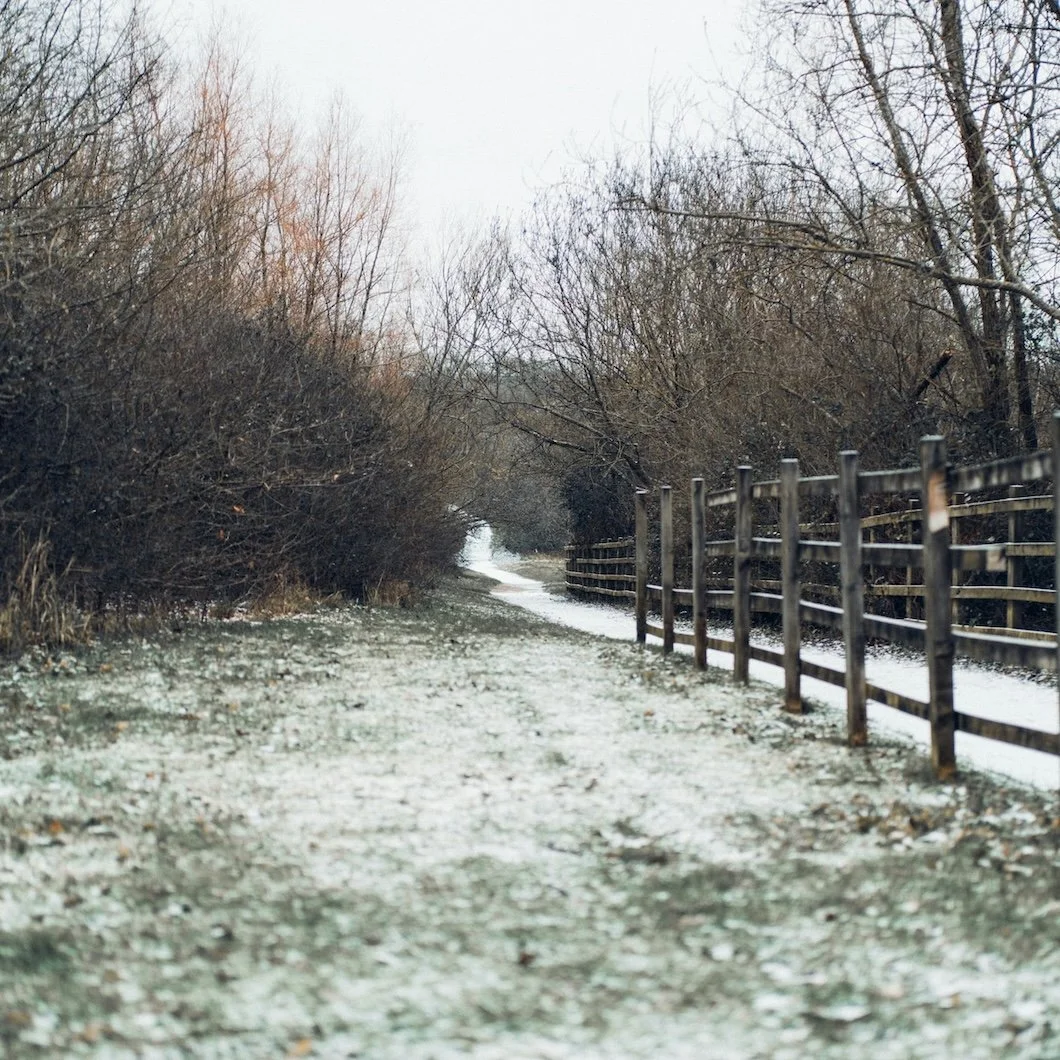
Photo by Dan Senior on Unsplash
New England winters are rarely simple. They aren’t just cold, and they aren’t just snowy. Increasingly, they’re unpredictable—cycling through rain, sleet, freezing temperatures, coastal winds, sudden thaws, and sharp temperature drops sometimes all within the same week.
For homeowners, especially across coastal Connecticut and greater New England, this volatility places unique stress on a house’s exterior. Paint, siding, trim, and underlying materials absorb the brunt of these seasonal shifts—often quietly, and often long before damage becomes obvious.
Understanding how winter actually affects your home—not just in theory, but in real, regional terms—can help you protect it more effectively and plan maintenance before small issues turn into expensive repairs.
The Northeast Winter Problem: It’s the Fluctuation That Causes Damage
Consistent cold is one thing. Consistent snow is manageable. But New England winters rarely offer consistency.
Instead, homes are exposed to:
Freeze–thaw cycles that cause expansion and contraction
Prolonged moisture from rain, sleet, and melting snow
Sudden temperature drops after mild days
Coastal winds that drive moisture into seams and joints
Paint isn’t just decorative—it’s a protective membrane. When that membrane is compromised, moisture begins to reach the materials beneath, accelerating deterioration.
This is why winter damage often isn’t caused by a single storm, but by repeated stress over time.
Cedar Shingle Homes: Beautiful, Traditional, and Highly Sensitive to Moisture
Cedar shingle homes are a defining feature of many New England communities. They age gracefully when maintained properly, but they are also particularly vulnerable to winter moisture.
During erratic winters:
Shingles absorb moisture during rain and thaw cycles
Sudden cold snaps can cause trapped moisture to expand
Repeated swelling and shrinking weakens the wood fibers
Failing paint or stain allows water to penetrate more deeply
Paint on cedar isn’t about sealing it airtight, instead it’s about managing moisture. When coatings age or thin unevenly, cedar becomes vulnerable to rot, splitting, and premature failure.
Regular inspections and timely repainting are essential for preserving both appearance and structural integrity.
Older Homes: Built to Last, But Not Built for Modern Winters
Many older New England homes were constructed with exceptional craftsmanship, but they were designed for a different climate rhythm.
These homes often feature:
Solid wood trim and clapboards
Plaster walls and older framing techniques
Original windows and architectural detailing
What they don’t always have is modern moisture management.
When winter introduces frequent freeze–thaw cycles, older materials expand and contract more dramatically. Cracks that may have been harmless in summer become entry points for moisture in winter. Paint failures around windows, sills, and trim are especially common—and often overlooked until spring reveals peeling, staining, or wood damage.
In older homes, paint plays a crucial role in preserving original materials that are increasingly difficult and expensive to replace.
Newer Homes: Different Materials, Different Vulnerabilities
Newer homes may look more resilient, but they aren’t immune to winter stress.
Modern exteriors often include:
Engineered wood products
Fiber cement siding
PVC trim paired with wood elements
Complex flashing and joint systems
These materials expand and contract at different rates. When coatings fail or seams open, moisture can enter behind siding where it’s less visible—but potentially more damaging.
Winter-driven moisture infiltration in newer homes often goes unnoticed until it causes swelling, staining, or mold-related issues beneath the surface.
Paint and caulking aren’t just cosmetic finishing steps, they’re essential components of the home’s weather defense system.
Coastal Winds: The Invisible Force
Homes closer to Long Island Sound face additional challenges during winter. Coastal winds drive rain and moisture horizontally, not just downward.
This can lead to:
Accelerated paint wear on wind-facing sides
Moisture intrusion around trim, soffits, and fascia
Increased salt exposure that degrades coatings over time
Even homes set slightly inland feel these effects during strong winter storms. Wind-driven moisture finds weak points quickly—and winter is when those weaknesses are most likely to expand.
What Winter Paint Failure Usually Looks Like (and Why It Matters)
Winter-related paint failure doesn’t always announce itself dramatically. More often, it appears as:
Hairline cracking
Peeling around joints and edges
Bubbling or blistering
Discoloration beneath the surface
These are warning signs, not just aesthetic issues. They indicate that moisture is moving where it shouldn’t and that underlying materials are being stressed.
Addressing paint issues early helps prevent rot, swelling, and costly repairs later.
Why Winter Damage Rarely Reveals Itself Right Away
One of the most misleading things about winter-related damage is how quietly it happens.
Throughout the colder months, paint, wood, and trim are under constant stress from absorbing moisture during rain and thaw cycles, then tightening during sudden freezes. These shifts don’t always cause immediate, visible failure. Instead, they weaken materials incrementally, often beneath the surface.
It’s usually in early spring, when temperatures stabilize and moisture begins to evaporate, that the effects of winter finally appear. Paint may start to peel or bubble. Hairline cracks widen. Trim that looked intact a few months earlier suddenly shows signs of fatigue.
This delay is why winter damage often feels like it “came out of nowhere.” In reality, the stress occurred over time. Spring simply reveals what winter set in motion.
Why Timing and Preparation Matter More Than Ever
New England’s winter volatility makes proper preparation critical.
High-quality exterior painting depends on:
Thorough surface preparation
Correct moisture levels before painting
Proper curing conditions
Paint systems suited to regional climate challenges
A well-executed paint job isn’t just about appearance—it’s about durability through unpredictable seasons.
Planning inspections and repainting proactively, rather than reactively, gives homeowners more control and fewer surprises when winter arrives.
A Smarter Way to Think About Winter Maintenance
Instead of asking, “Did winter damage my house?” a better question is: “How well was my home prepared for winter stress?”
Paint is one of the most cost-effective ways to protect a home’s exterior, but only when it’s maintained thoughtfully and applied with regional conditions in mind.
For New England homeowners, understanding how winter actually behaves—not how we wish it behaved—is the first step toward preserving the longevity, beauty, and value of the home.
A Simple Winter Readiness Check for New England Homes
You don’t need a ladder or specialized tools to get a general sense of how your home is handling winter stress. A careful walk around the exterior can reveal early warning signs worth paying attention to.
Look for:
Peeling or cracking paint around windows, doors, and trim
Bubbling or discoloration beneath painted surfaces
Areas where paint appears thinner on wind-facing sides of the home
Cedar shingles showing uneven wear, darkening, or raised edges
Caulking that looks brittle, split, or pulled away from joints
Sections of trim that stay damp longer than surrounding areas
Not every issue requires immediate action—but together, these signs can indicate that protective coatings are beginning to fail. Addressing them early helps prevent moisture intrusion, wood damage, and more extensive repairs down the line.
Winter doesn’t have to be destructive—but it is demanding. Homes that stand up best to New England winters are the ones that are maintained with intention, knowledge, and respect for the climate they’re built in.
If you’re unsure how your home is holding up, a professional exterior evaluation can help identify vulnerabilities before they become visible problems.
Further Reading: Smart, Seasonal Resources for New England HomesPrepare Your Coastal New England Home for Winter Months — Practical, regional tips for protecting your exterior (roof, siding, gutters) from nor’easters, salt air, and moisture stress. https://www.haledesignbuild.com/insights/preparing-your-coastal-new-england-home-for-winter-monthsFall Home Maintenance Checklist for New England — A locally pitched checklist that highlights exterior prep (including paint-line concerns) before winter’s freeze–thaw cycles and storms. https://www.websterfirst.com/blog/fall-home-maintenance-checklist-new-england/How New England Weather Affects Roof Lifespan — Clear, homeowner-friendly insight into how coastal and seasonal conditions wear on roof materials — and by extension, the adjoining exterior surfaces your paint protects. https://mariosroofing.com/how-do-weather-patterns-affect-roof-lifespan-in-new-england/