
Designing The At-Home Lounge: A Winter Room Shaped By Firelight, Wood, And Time
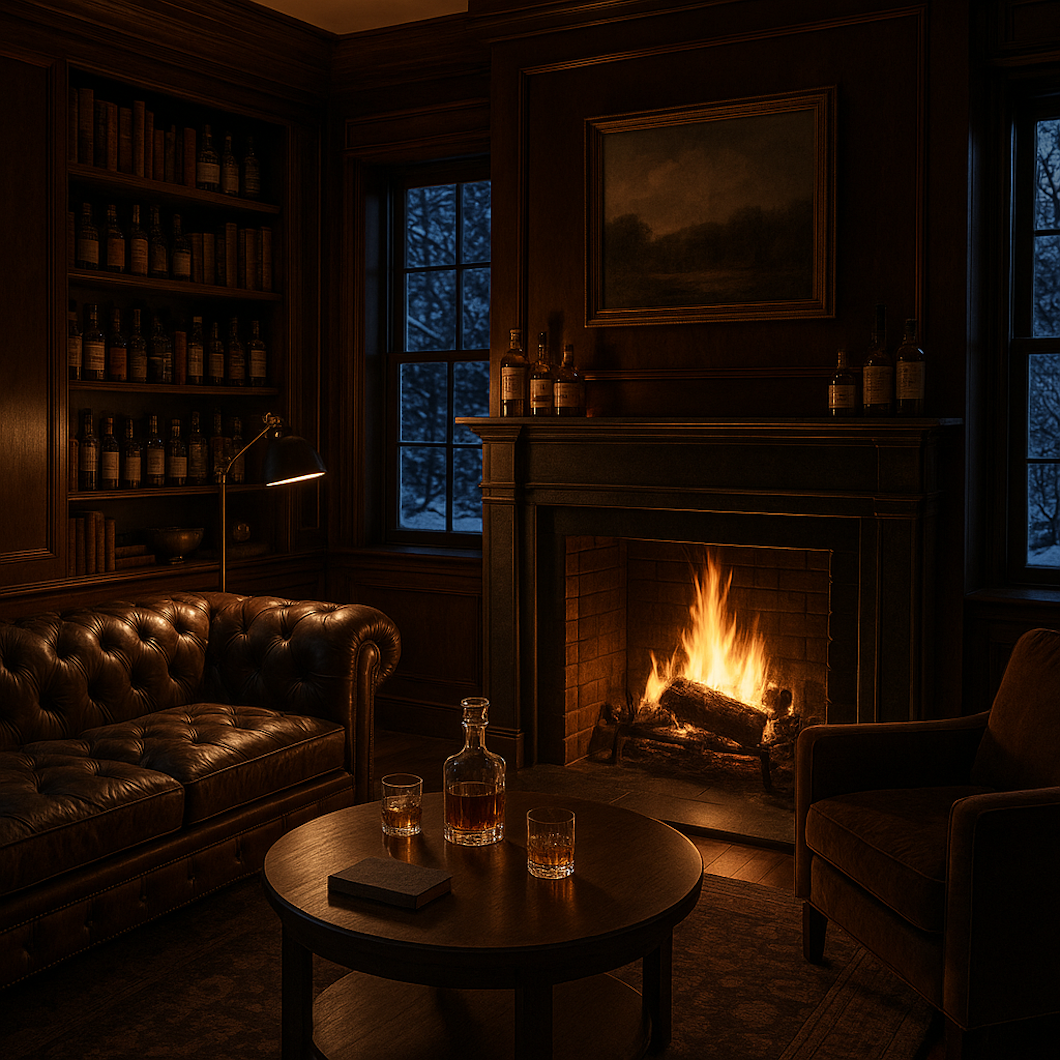
Winter transforms the behavior of a house. Evenings arrive earlier, and fires are lit more frequently. As a result, the rooms we tend to gravitate towards are no longer the brightest ones, but rather the warmest. In this season, comfort is not derived from openness or lightness, but rather from enclosure, depth, and materials that effectively respond to shadows.
This is why the idea of the at-home lounge feels so natural in winter. Not a bar, not an entertainment room, but a space designed for long evenings: firelight, quiet conversation, and the kind of warmth that builds slowly over time.
The most successful lounges don’t rely on novelty or décor; instead, they rely on creating an atmosphere. And an atmosphere begins with color.
What an At-Home Lounge Really Is
An at-home lounge is a room designed to be experienced after dark. It assumes lamplight instead of daylight. It assumes people will sit, not circulate. It assumes the room will be used repeatedly, not occasionally.
Historically, these rooms served as functional retreats for winter living, not as decorative spaces. They were designed as studies, libraries, or fireside parlors. However, modern homes often prioritize openness and flexibility, leading to the loss of these rooms. This loss becomes particularly evident during the winter months.
A true lounge feels:
grounded rather than bright
warm rather than neutral
finished rather than styled
quiet without feeling closed
The goal isn’t drama. It’s permanence.
Color Comes First: How Firelight Changes Everything
In a winter lounge, color has a different responsibility than it does elsewhere in the home. These rooms are not judged at noon. They’re judged at seven or eight in the evening, when the fire is lit and the room settles.
This immediately rules out a large portion of modern “popular” colors. Cool grays, blue-based charcoals, and crisp navies tend to flatten or cool under firelight. What works instead are brown-forward, red-leaning, absorptive colors—tones that feel closer to wood, leather, smoke, and stone than to paint.
These colors don’t reflect light…they hold it.
The Lounge Palette: Benjamin Moore Colors That Behave Well in Winter
When a client wants a room that feels like a retreat rather than a statement, Benjamin Moore offers several underused colors that perform exceptionally well in firelit spaces.
Bittersweet Chocolate (2100-10) is one of the most effective lounge colors available. It’s a deep brown with red warmth beneath the surface, closer to polished leather than to chocolate. Under firelight, it softens and deepens, creating a sense of enclosure without heaviness. This is a color that feels aged, not applied.
For a slightly lighter approach, Tudor Brown (AF-385) offers warmth with restraint. Its subtle golden undertone keeps the room from feeling dense while still delivering the richness needed for winter evenings. This color works particularly well in rooms with shelving, paneling, or architectural detail.
Where deeper saturation is desired, New London Burgundy (HC-61) brings complexity without theatricality. Though often overlooked, this color reads as shadowy and grounded rather than red. Firelight activates its wine and brown undertones, giving the room warmth and depth without overt color.
For contrast, French Beret (1610) provides a softened black with brown warmth. Unlike cooler charcoals, it feels smoky rather than stark—excellent for trim, built-ins, or a single anchoring wall.
Finally, Dark Basalt (2072-10) offers a stone-like darkness that feels architectural rather than decorative. It reads as mineral and grounded, responding beautifully to low light and natural materials.
To keep these darker tones livable, a supporting color like Rosy Tan (AC-33) can be used thoughtfully on adjacent walls, ceilings, or transitions. Its subtle red warmth prevents the room from tipping into severity and reinforces the overall sense of comfort.
These colors unite through their behavior: they don’t perform; instead, they settle.
Designing for the Reality of Evening Use
An at-home lounge succeeds when it’s designed for how it’s actually used. In winter, that means firelight and lamps—not overhead fixtures—do most of the work.
Matte or low-luster finishes absorb light and soften surfaces, allowing shadows to read as intentional rather than harsh. Soft satin finishes can be used sparingly to introduce warmth without glare. High-gloss finishes, while appropriate elsewhere, often feel disruptive in a lounge environment.
Because darker colors magnify surface imperfections, preparation becomes critical. Smooth walls, crisp edges, and careful transitions are what allow these colors to feel rich rather than heavy. This is where professional craftsmanship quietly defines the room.
The Role of the Drink—Secondary, but Intentional
In a well-designed lounge, the drink is never the focal point. A small cabinet or shelf is sufficient—enough to support the ritual without defining the room.
The atmosphere should feel complete even without bottles in view. Coffee, tea, or simple conversation should feel equally at home. The room’s success comes from its materials, proportions, and color—not from what’s being poured.
This restraint is what keeps the lounge timeless rather than thematic.
Why This Room Belongs to Winter
Some rooms work year-round. Others reveal themselves only when conditions are right.
Summer favors openness and brightness. Winter favors weight, warmth, and depth. The at-home lounge thrives when nights are long and the house naturally draws inward.
These rooms don’t resist winter…they’re built for it.
Creating a Lounge Without Rebuilding the House
Most at-home lounges begin with paint, not construction. A den, secondary living room, library, or even a portion of a larger space can be transformed simply by committing to a darker, warmer palette and designing for evening use.
Winter is an ideal time for these projects. Work happens indoors, disruption is minimal, and the room is ready precisely when it’s needed most.
A Room That Ages Well
The best lounges are not trend-driven. They don’t chase brightness or novelty. They feel settled, considered, and quietly durable.
These are rooms you return to night after night, year after year—rooms shaped by firelight, conversation, and time.
If you’re considering creating an at-home lounge this winter, Stanwich Painting helps Fairfield County homeowners design spaces that feel grounded, intentional, and enduring.
To schedule a winter interior consultation, call 475-252-9500 or visit our online portal.